770,000 Eye Screenings & Expanding Access to Eye Care Around the World
This World Sight Day, Cure Blindness Project and its partners brought vision screenings, treatment, and eye health education to communities across Asia, Africa, and the Caribbean.
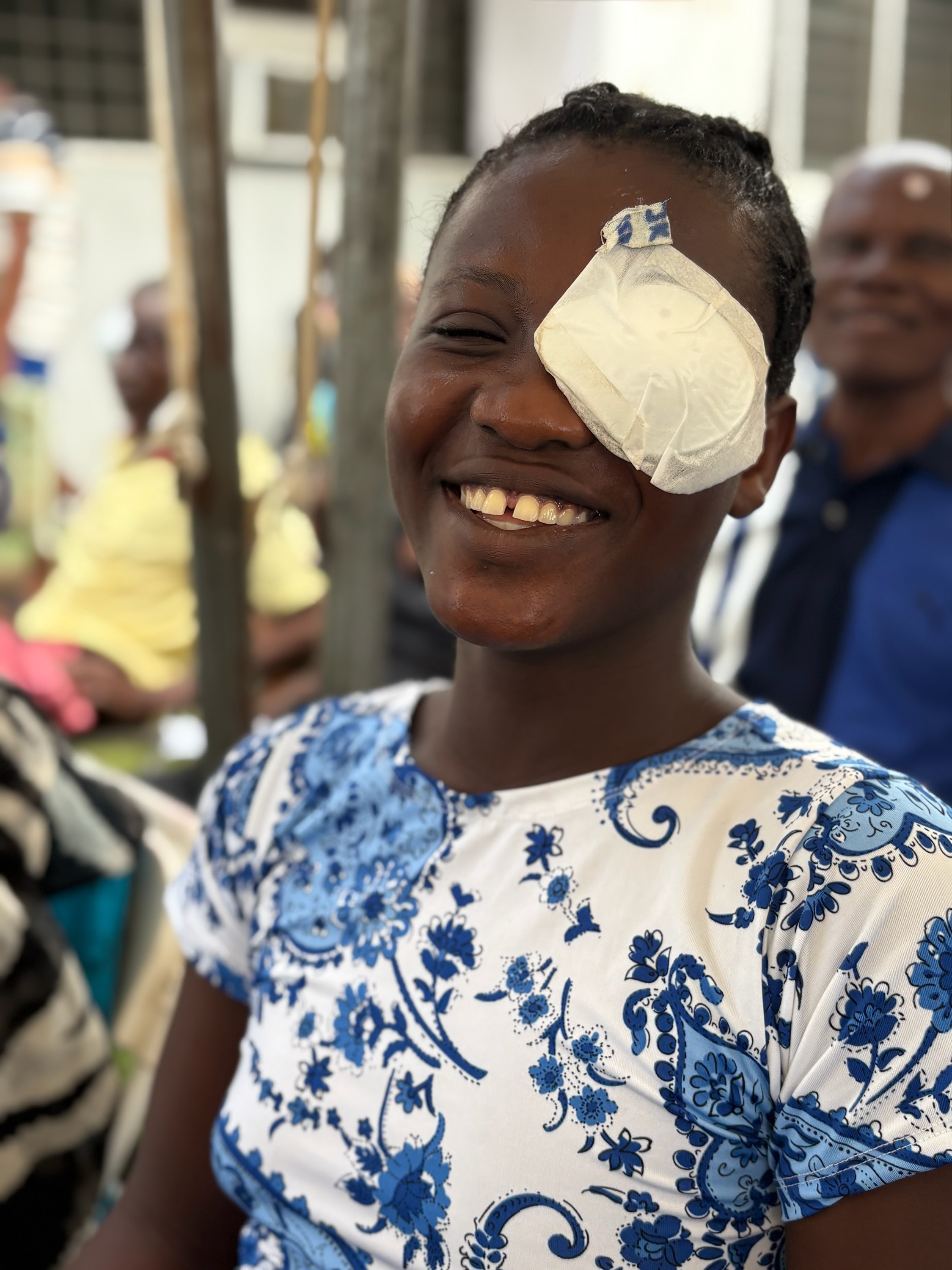
Every eye screening offers an opportunity to identify a vision problem, connect someone with treatment, and help prevent avoidable blindness. In recognition of World Sight Day on October 8, Cure Blindness Project facilitated more than 770,000 eye screenings across three continents, helping bring essential eye care to communities where access remained limited.
The effort supported the International Agency for the Prevention of Blindness (IAPB)'s global goal of conducting 2 million eye screenings through more than 250 partners. Beyond identifying vision problems, these activities helped strengthen local health systems and build sustainable pathways to care.
Making a Difference in Communities Worldwide
Across Cure Blindness Project's programs, World Sight Day activities reflected a shared commitment: bringing quality eye care closer to the people who needed it most.
Strengthening Eye Health in South Asia
In Bhutan, the Ministry of Health, with support from Cure Blindness Project and the World Health Organization, disseminated the country's National Eye Health Strategy for the next five years. The strategy provided a framework for coordinated planning and long-term improvements in eye care.
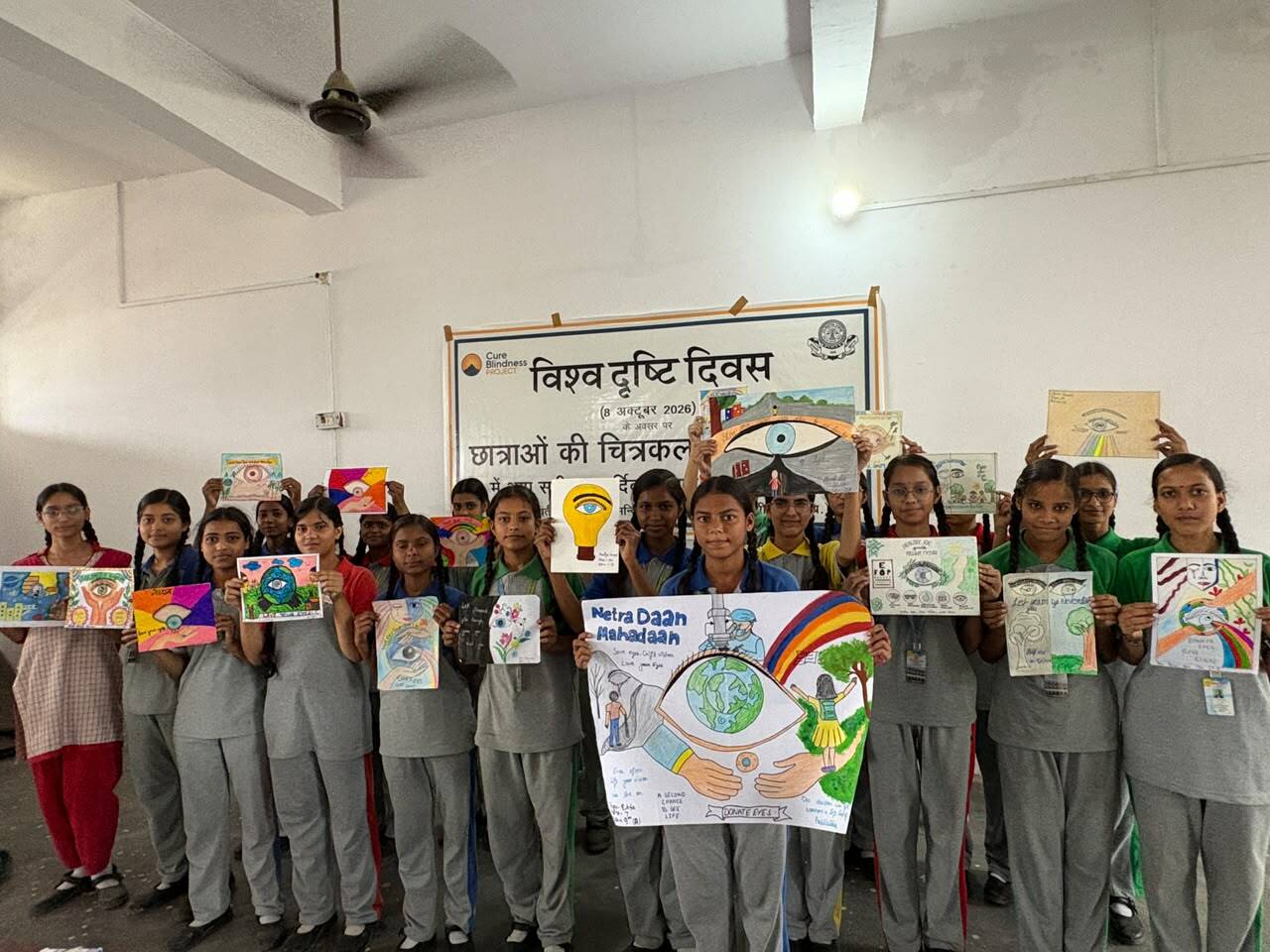
In India, students participated in a “Love Your Eyes” poster contest, while a community campaign in Sikkim offered screenings, referrals, and eye health education. In Nepal, Tilganga Institute of Ophthalmology and Cure Blindness Project led a national awareness campaign that combined screenings, public education, media outreach, and community engagement.
Expanding Sight-Saving Care in Africa
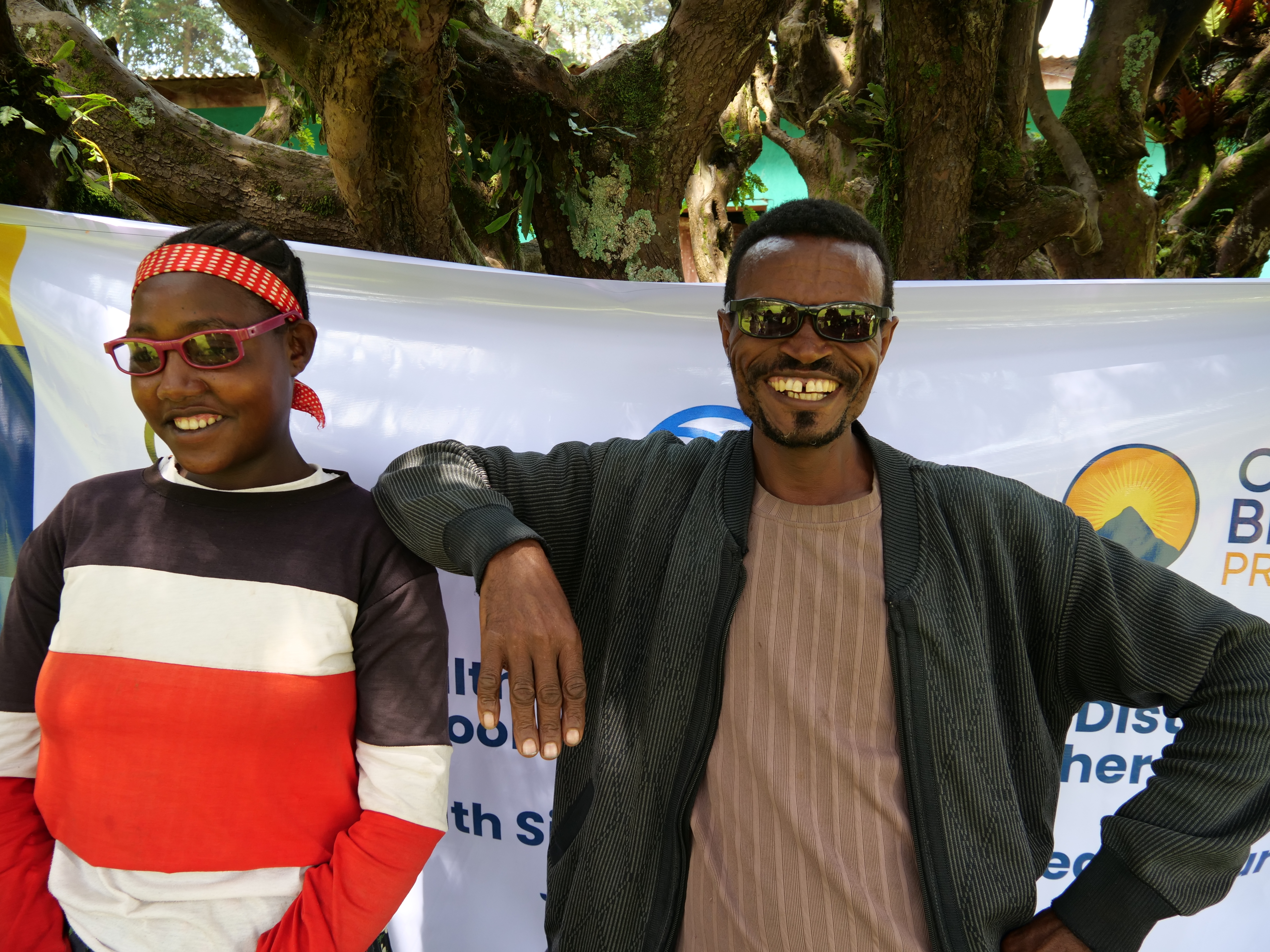
In Ethiopia, the School Eye Health Project screened tens of thousands of students across 20 primary schools. Children received eye assessments, treatment and referrals, with free eyeglasses provided to those who needed them. Teachers and school health staff also received training to help make eye health a lasting part of school activities.
In Ghana, Cure Blindness Project and its partners completed more than 12,000 sight-restoring surgeries in hard-to-reach communities in 2026 and trained 40 ophthalmic nurses. This training strengthened the ability of local health professionals to identify and manage eye conditions and connect patients with appropriate care.
In South Sudan, surgical outreaches restored sight to nearly 5,000 patients over the preceding six months. The country also prepared to launch an Ophthalmic Clinical Officers training program designed to expand access to eye care beyond major centers.
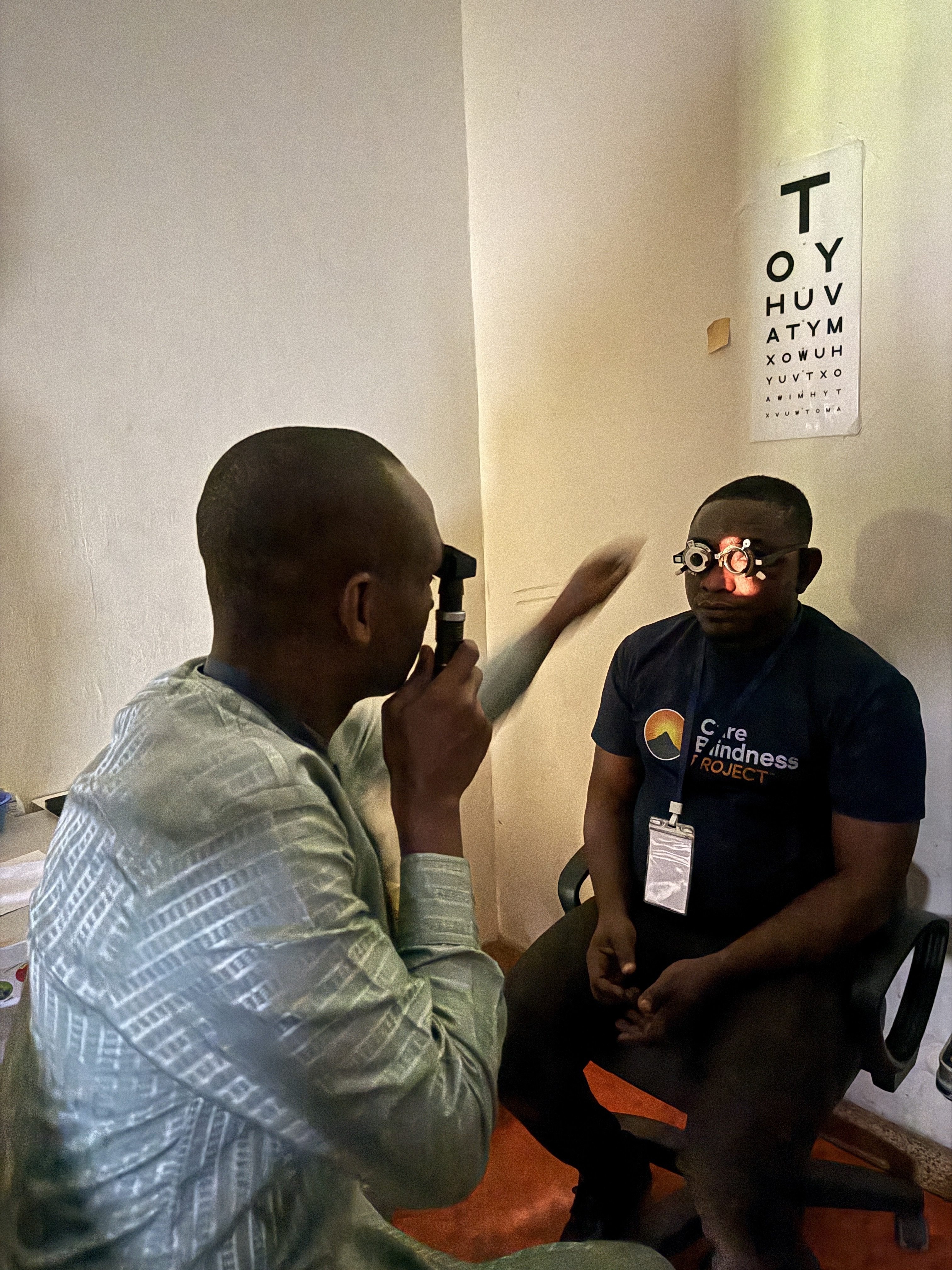
Meanwhile, in Eritrea, Cure Blindness Project helped build specialized capacity through biomedical training for engineers who maintained surgical equipment and advanced training for ophthalmology residents.
Working Toward a Blindness-Free Zone in the Caribbean
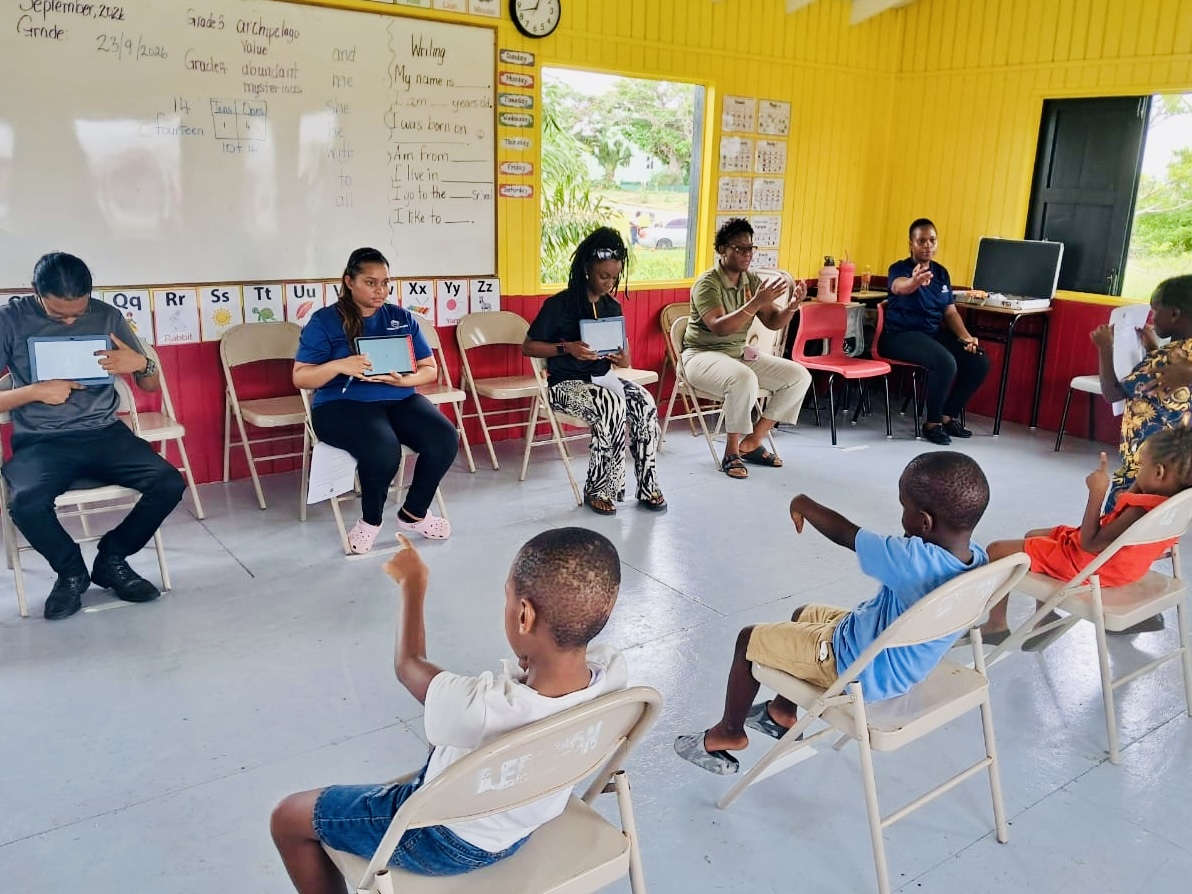
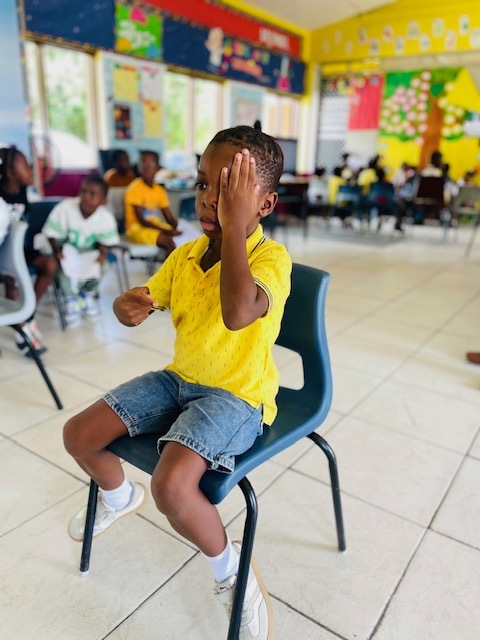
In Antigua and Barbuda, Cure Blindness Project served as a lead partner in the Prime Ministerial Vision Initiative, an ambitious effort to help establish the Caribbean's first Blindness-Free Zone.
Through the initiative, the organization planned to conduct 20,000 eye screenings, establish and equip two eye care centers, and host a surgical outreach in late October. These efforts were designed to expand access to essential services and strengthen the local infrastructure needed to sustain eye care over time.
Building a Future Where Everyone Can Access Eye Care
World Sight Day activities built on Cure Blindness Project's long-term collaboration with local partners, health professionals, and communities. Together, Cure Blindness Project and its partners had performed more than 2 million sight-restoring surgeries, trained more than 20,000 eye care professionals, and provided screenings and basic treatment to more than 20 million people across 30 countries.
These achievements demonstrated why lasting progress required more than individual screenings or surgeries. By investing in trained professionals, equipped facilities, and stronger health systems, Cure Blindness Project helped communities deliver quality eye care long after World Sight Day events concluded.
World Sight Day provided an opportunity to recognize the partners and health professionals working to make eye care accessible to more people—and the countless individuals whose lives could be changed through early detection, treatment, and restored sight.