Walking the Talk: Reflection by Dr. Zelalem Habtamu
Country Director for Cure Blindness Project in Ethiopia shares his reflection on a recent World Health Organization walk:
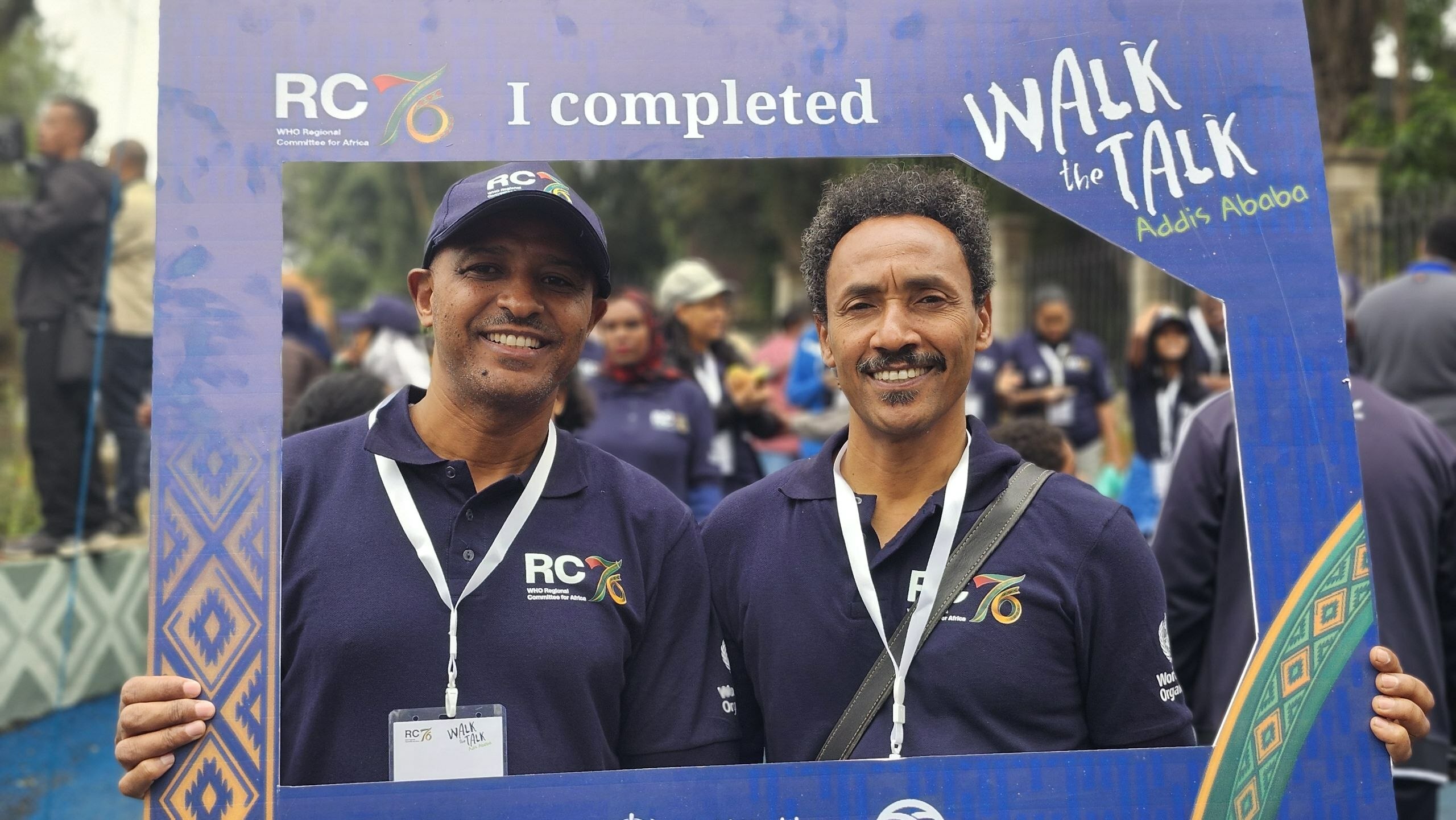
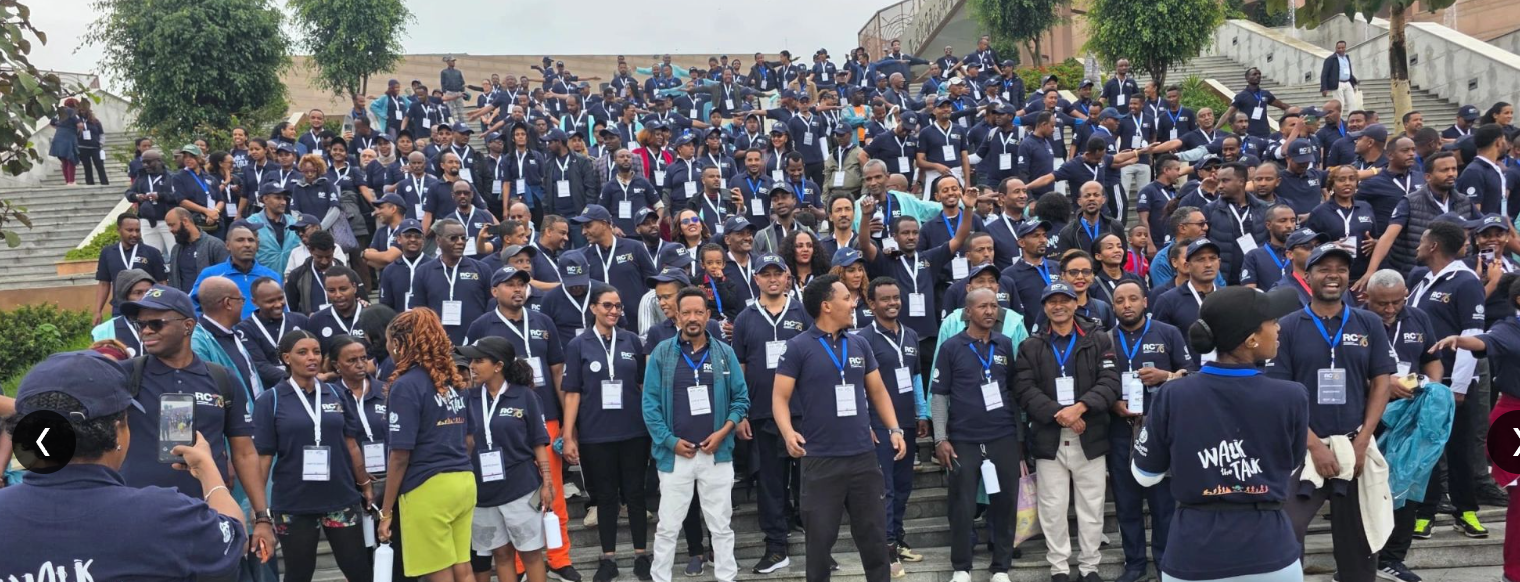
I had the privilege of participating in the 76th AFRO-WHO Walk the Talk Health Promotion Event, an experience that provided an important moment for reflection.
Having worked within Ethiopia's health system for more than two decades, I was reminded of the critical connection between global health commitments and the practical actions needed to improve the lives of the people we serve.
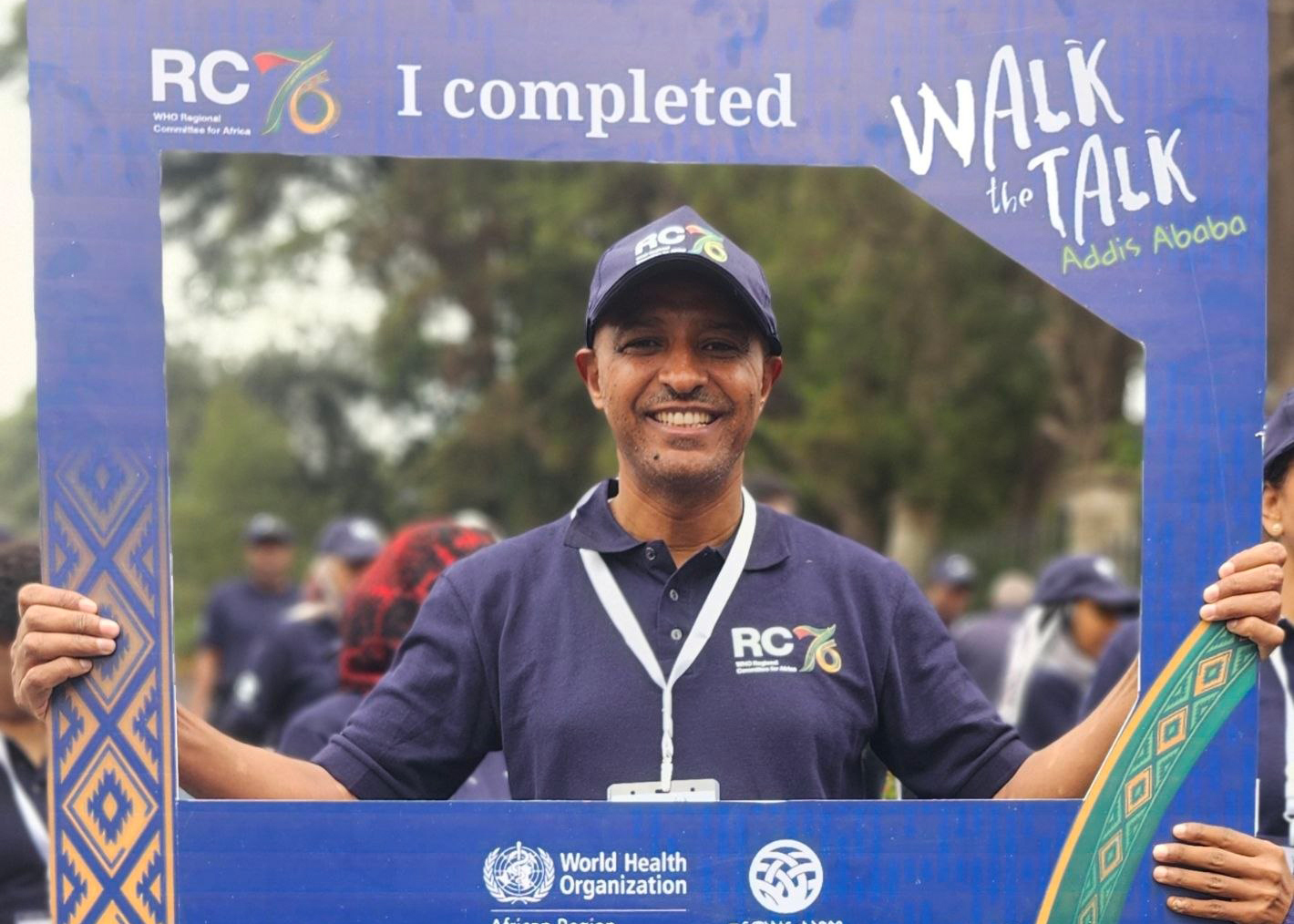
The theme, "Walk the Talk," resonates deeply with the mission of Cure Blindness Project. As an organization committed to eliminating avoidable blindness, we embrace the World Health Organization's vision for Integrated People-Centered Eye Care (IPEC), improved cataract surgical outcomes, quality improvement, equity, and expanded access to essential eye health services.
Policies and frameworks matter, but their true value lies in how effectively they are translated into action.
Over the years, Cure Blindness Project has worked alongside the Ministry of Health, Regional Health Bureaus, eye care institutions, professional associations, and international partners to turn these commitments into measurable results across the country.
A key part of this work has been strengthening Ethiopia's eye health workforce. We have supported Ethiopian ophthalmologists to pursue advanced subspecialty fellowship training at leading international institutions. Equally important, we have invested in the equipment, technology, and infrastructure needed upon their return so they can apply their expertise and provide high-quality specialized care here at home. This approach strengthens the national eye health system while expanding access to advanced services for patients who previously had limited options.
Quality and equity must go hand in hand.
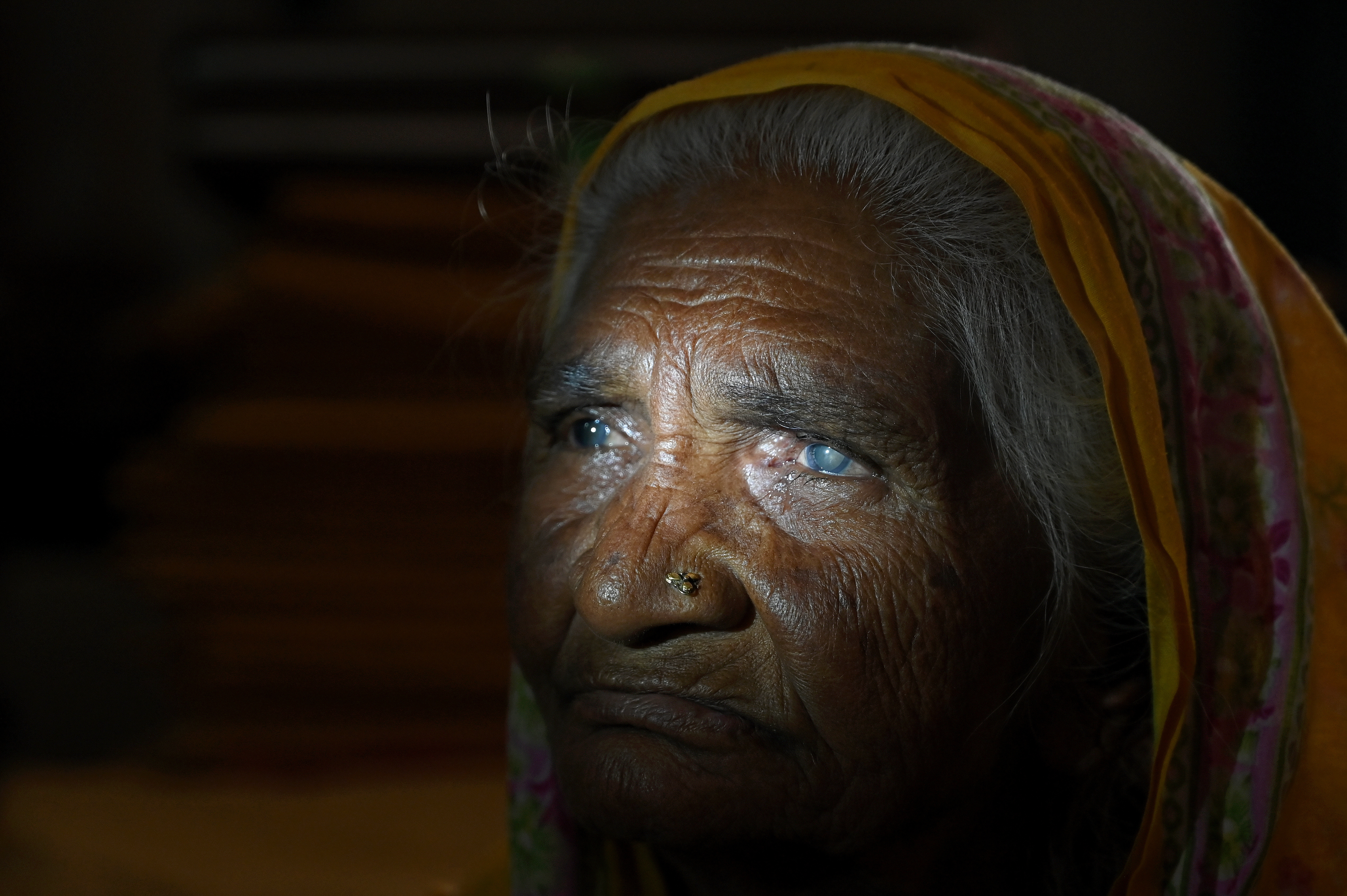
In 2025, Cure Blindness Project supported nearly 40,000 high-quality cataract surgeries in Ethiopia for underserved and remote communities. Our focus has never been solely on increasing surgical volume. We are committed to ensuring every patient receives compassionate, person-centered, and quality care. This includes supporting free surgeries for those unable to afford treatment and helping overcome barriers by covering transportation, accommodation, and meal costs during outreach campaigns. For many, these services mean the difference between blindness and restored sight.
A truly people-centered health system must reach people where they live. Through support for more than 100 Primary Eye Care Units (PECUs) and community-level eye care workers, we have helped expand access to essential eye care services across Ethiopia. Strengthening community-based care enables earlier screening, referral, and treatment, reducing avoidable vision loss and improving health outcomes.
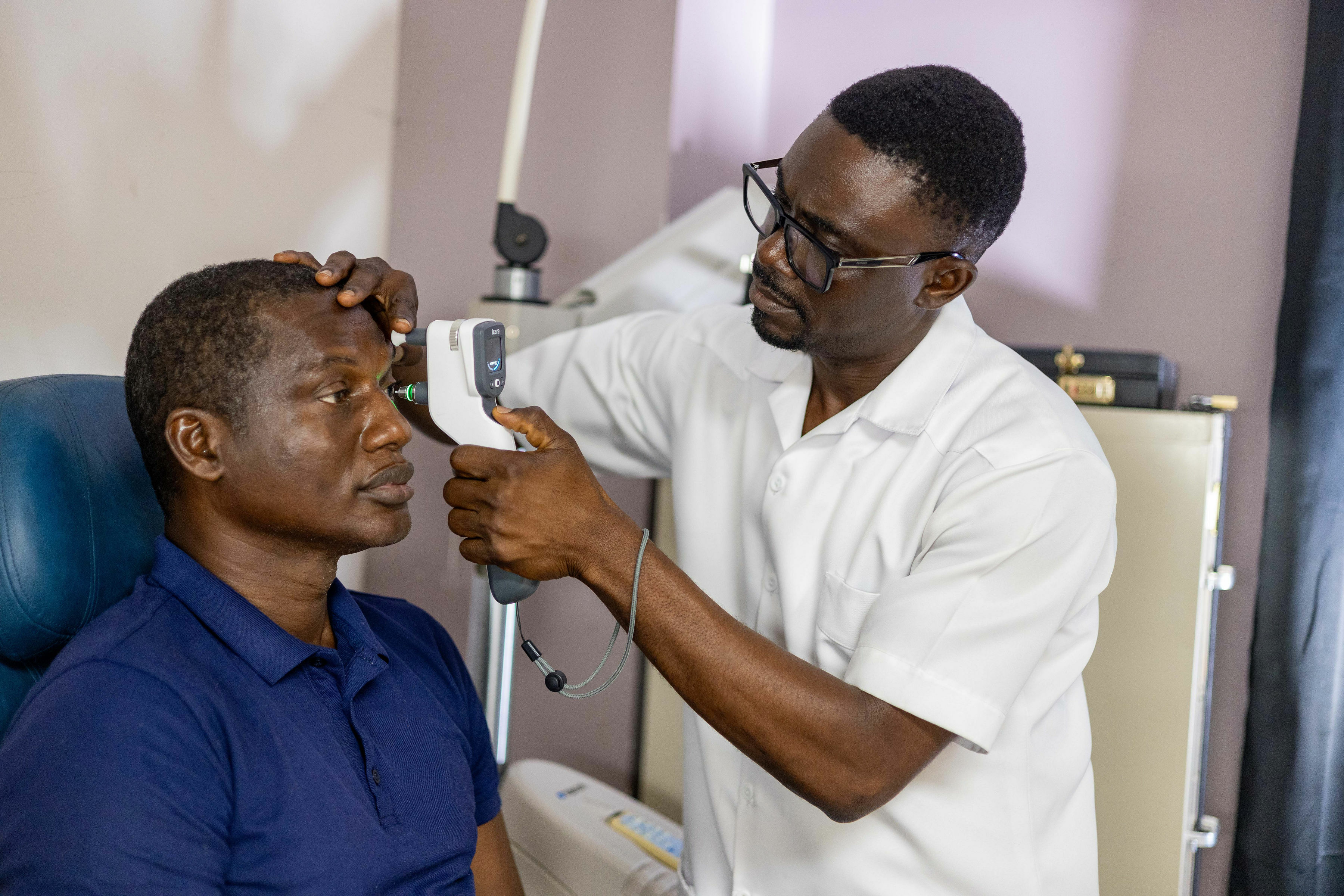
Quality improvement remains at the heart of everything we do. Through hands-on training and mentorship programs led by experienced senior ophthalmologists and international faculty, we are helping build a highly skilled workforce capable of delivering care that meets global standards.

As I completed today's Walk the Talk event, I reflected on a simple truth: meaningful health system transformation happens when actions consistently align with values.
At Cure Blindness Project, we believe that everyone deserves access to quality eye care, regardless of where they live, their gender, income, or circumstances. Our investments in human resources, service quality, community-based care, and equitable access are all part of a shared commitment to turning global eye health aspirations into reality.
The journey to eliminate avoidable blindness continues, but today was an opportunity to celebrate progress and reaffirm our commitment to the work ahead.
For us, Walk the Talk is more than a theme. It is a guiding principle that challenges us every day to translate policy into practice, evidence into action, and vision into lasting impact for the people of Ethiopia.