The Faces She Could See Again
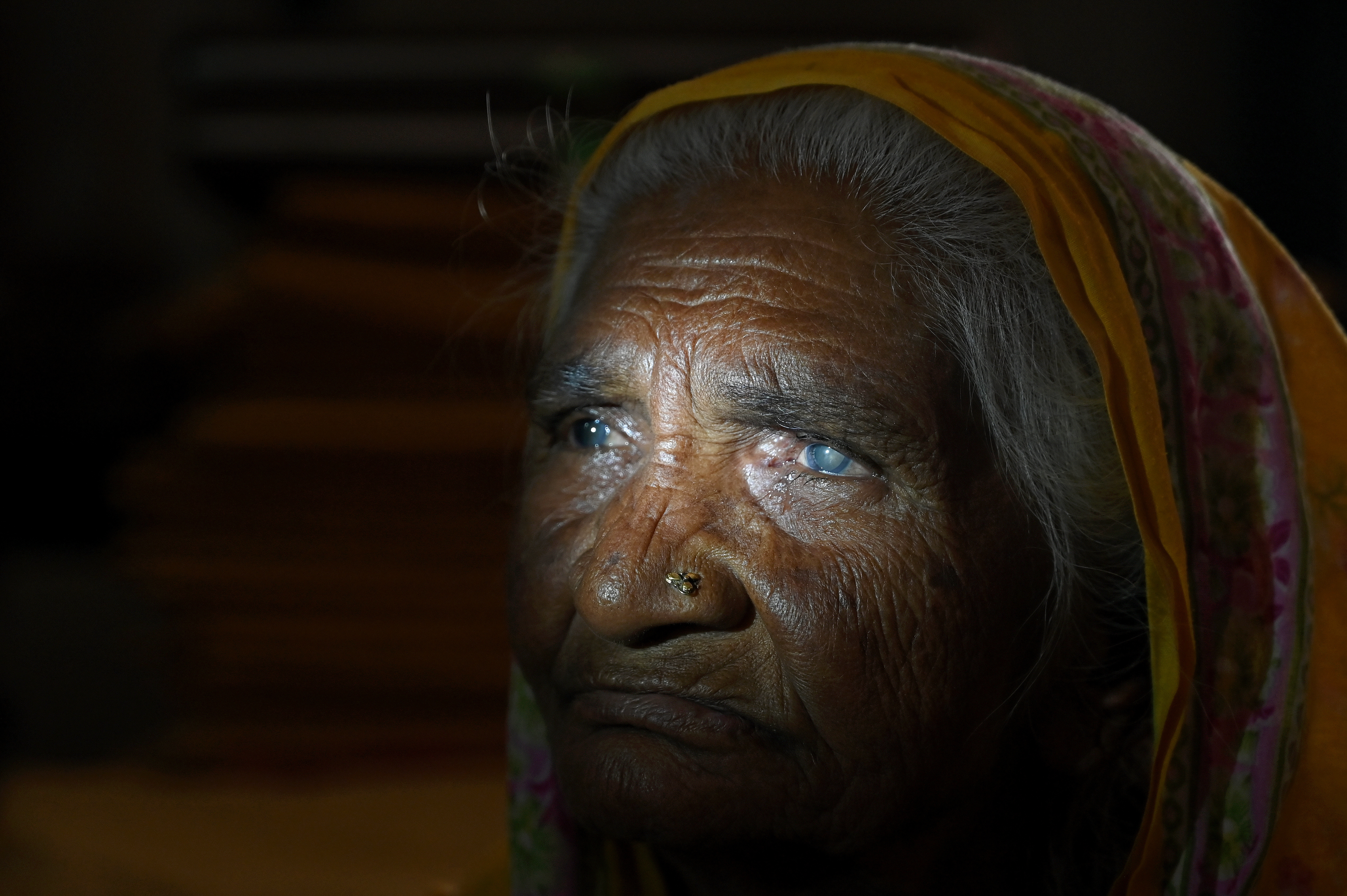
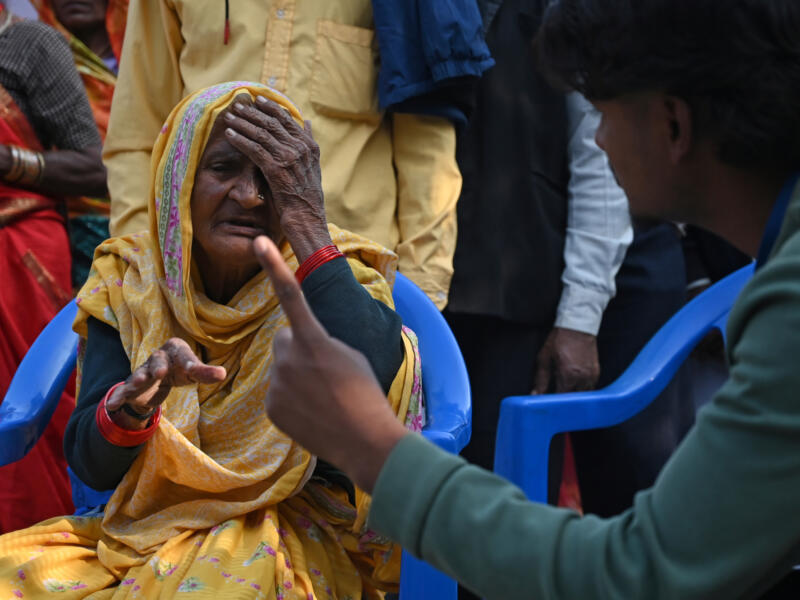
For Dodha Yadav of Lumbini, the losses came one after another. First, she lost her husband. Then, she lost her grandchild. And eventually, she lost her sight.
The grief of losing her grandchild was particularly difficult for Dodha. “I cried so much after losing my grandchild that I lost my sight,” she shared.
As her cataracts worsened, her world gradually became harder to recognise. Faces became indistinct. Colors faded. Familiar surroundings were no longer easy to make out. The people and places that had remained part of her life after so much loss were becoming difficult to see.
Everyday life became increasingly dependent on others. Tasks she had once managed herself required help, and she spent much of her time in one place. For Dodha, blindness was not simply the inability to see. It meant losing the confidence to move through her own surroundings and becoming more dependent on the people around her.
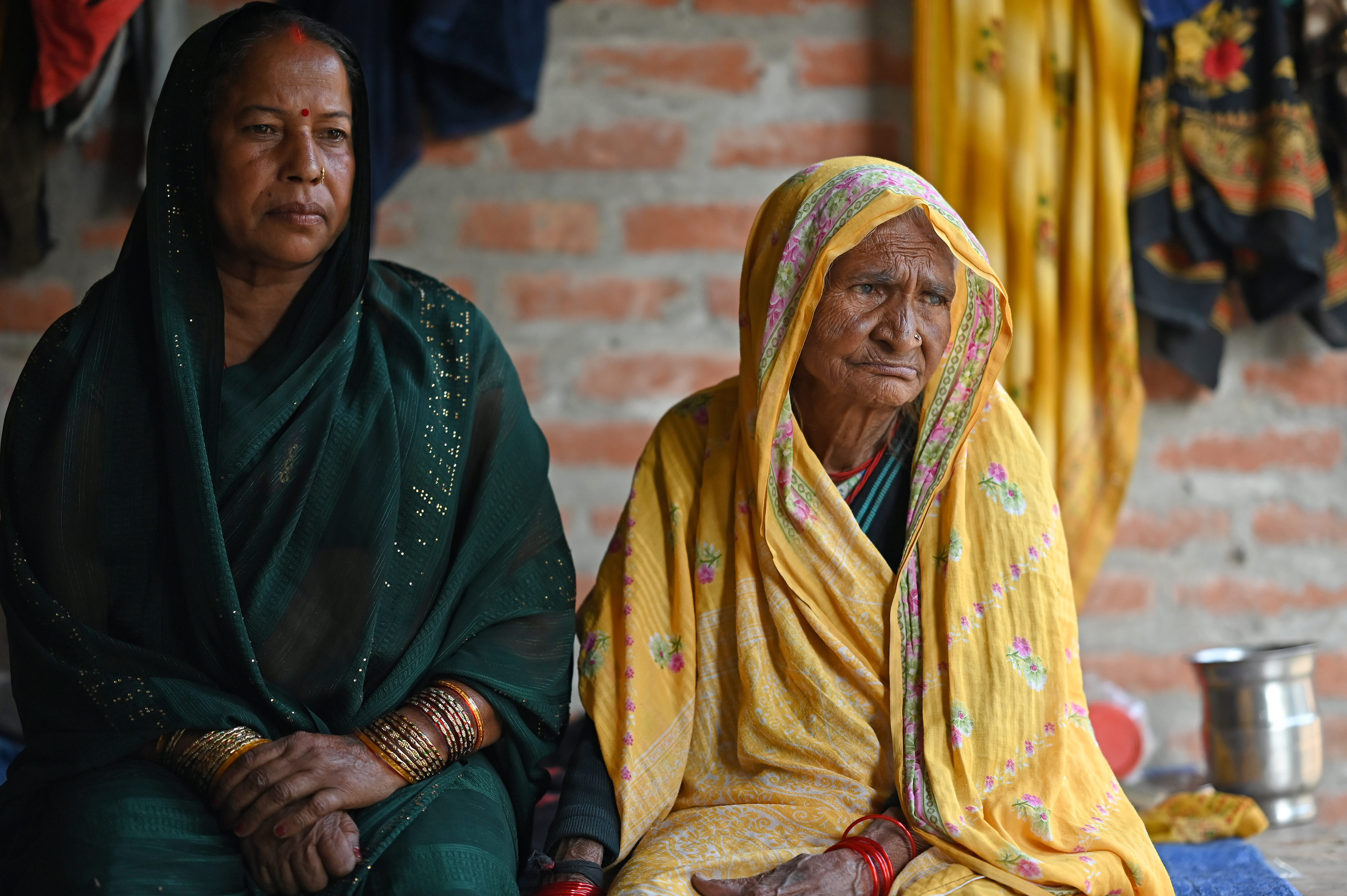
Then she learned about an Outreach Microsurgical Eye Clinic in Lumbini, organized by Tilganga Institute of Ophthalmology and the Royal Thai Monastery, with support from Cure Blindness Project.
The clinic brought eye care closer to her community, giving Dodha an opportunity to seek treatment without having to overcome the barriers that had kept care out of reach. She decided to attend.
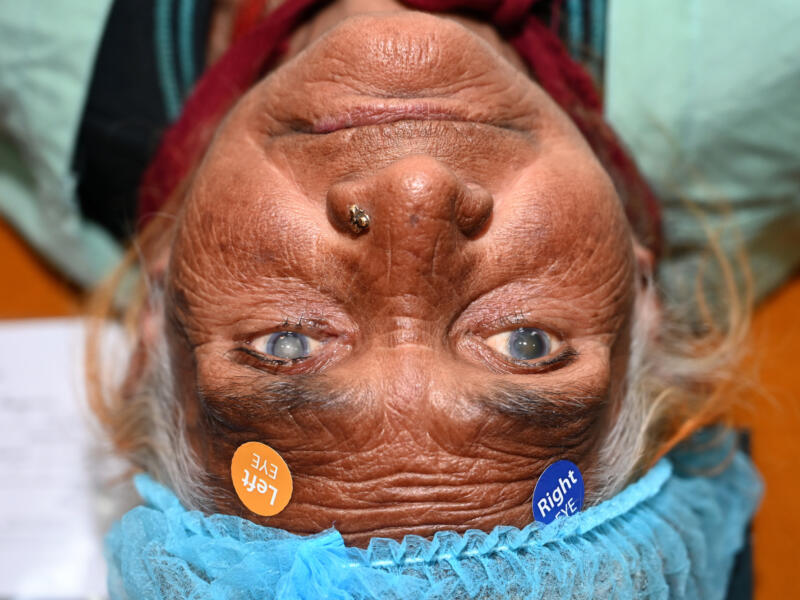
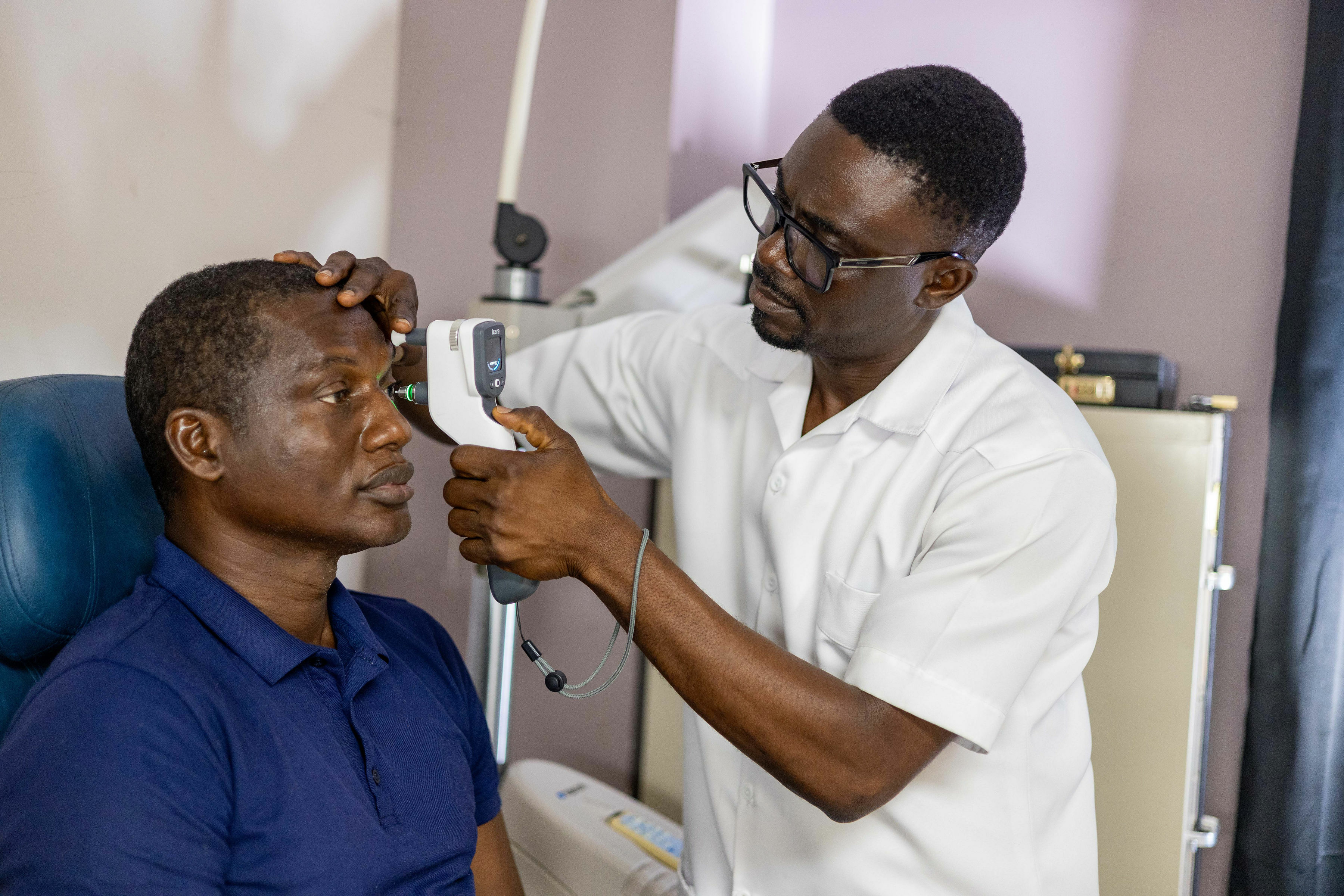
At the clinic, the medical team identified cataracts and explained that surgery could restore her vision. After understanding her condition and the possibility of seeing again, Dodha decided to undergo surgery.
Her operation was performed by Dr. Sanduk Ruit, Executive Director of Tilganga Institute of Ophthalmology and co-founder of Cure Blindness Project.
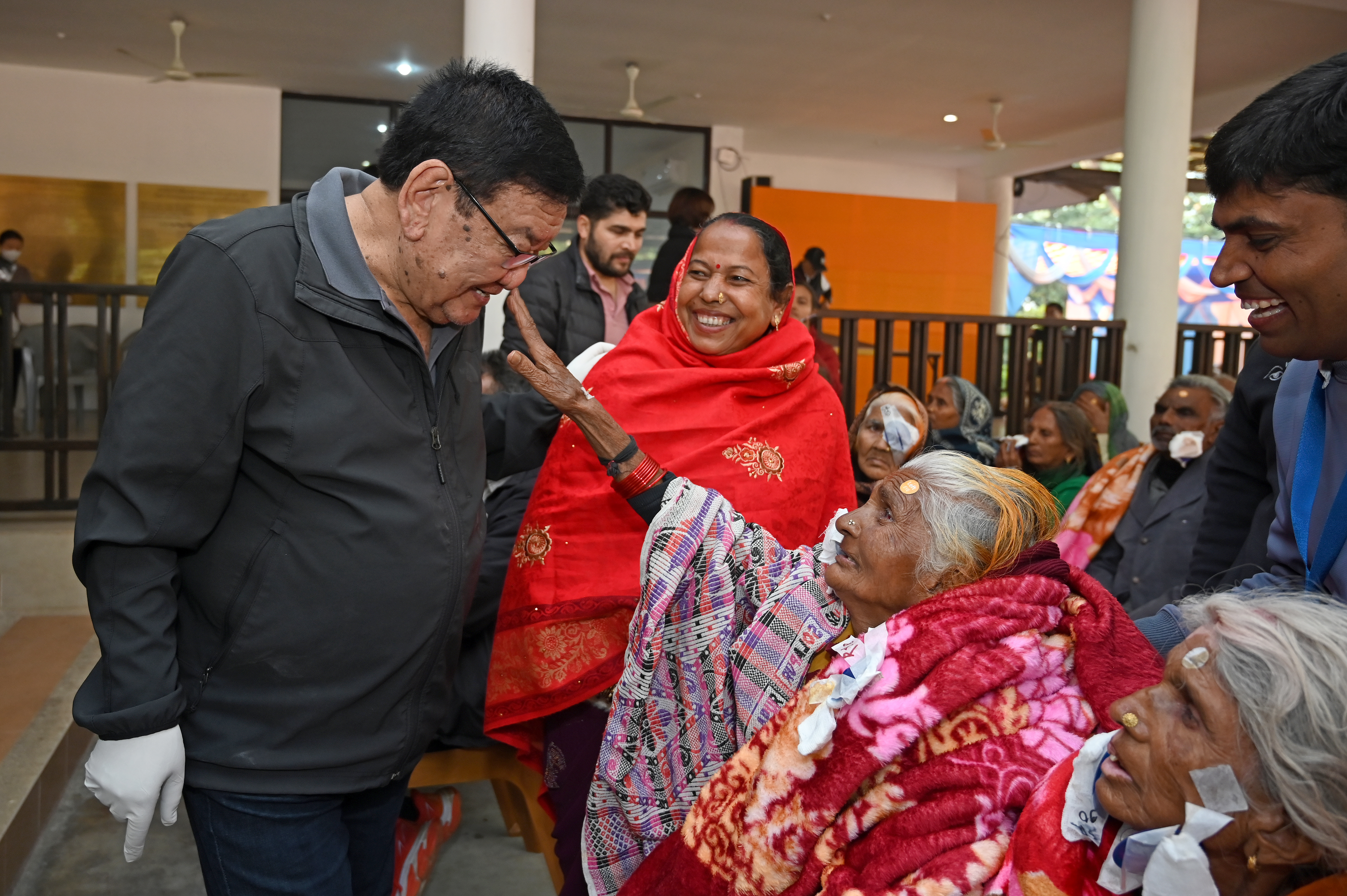
The following morning, Dodha returned for her postoperative review. As the eye patch was gently removed, she slowly opened her eyes.
What happened next was a moment she had almost forgotten was possible.
“I can see everything! The whole crowd here!” she exclaimed.
She looked around, taking in the people and surroundings that had been blurred or hidden from her for so long. Then, overwhelmed by what she was experiencing, she said:
“I feel as if I’ve been reborn.”
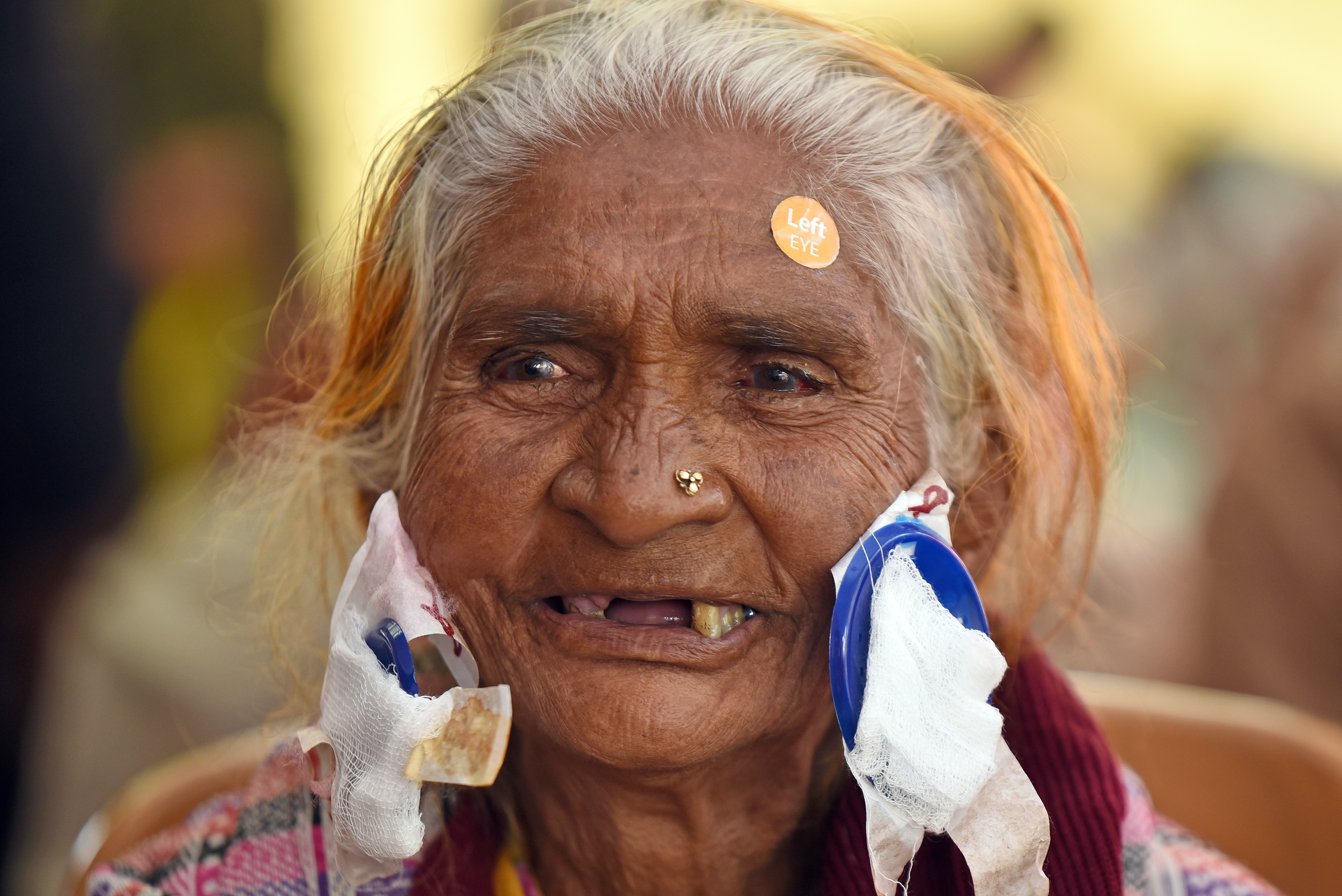
Later that afternoon, Dodha offered her prayers at the holy site before leaving for home with her daughter. She had come to the clinic after months of living in darkness. She was now returning home able to see the faces around her, the colours of her surroundings, and the familiar world she had once known.
Her surgery could not undo the losses she had endured. It could not bring back her husband or her grandchild. But it gave Dodha something deeply meaningful that’s the ability to reconnect with the life that remained.
For someone who had already lost so much, being able to see again was not simply a medical outcome. It was the return of something ordinary but precious: seeing a familiar face, recognising her surroundings, offering her prayers, and sharing those moments with her daughter.
Dodha's story shows why access to quality eye care matters. When treatment reaches people in their own communities, it can help restore more than sight. It can return confidence, independence, and the ability to experience the everyday moments that make life meaningful.