Past Global Fellow Reflects on Her Year
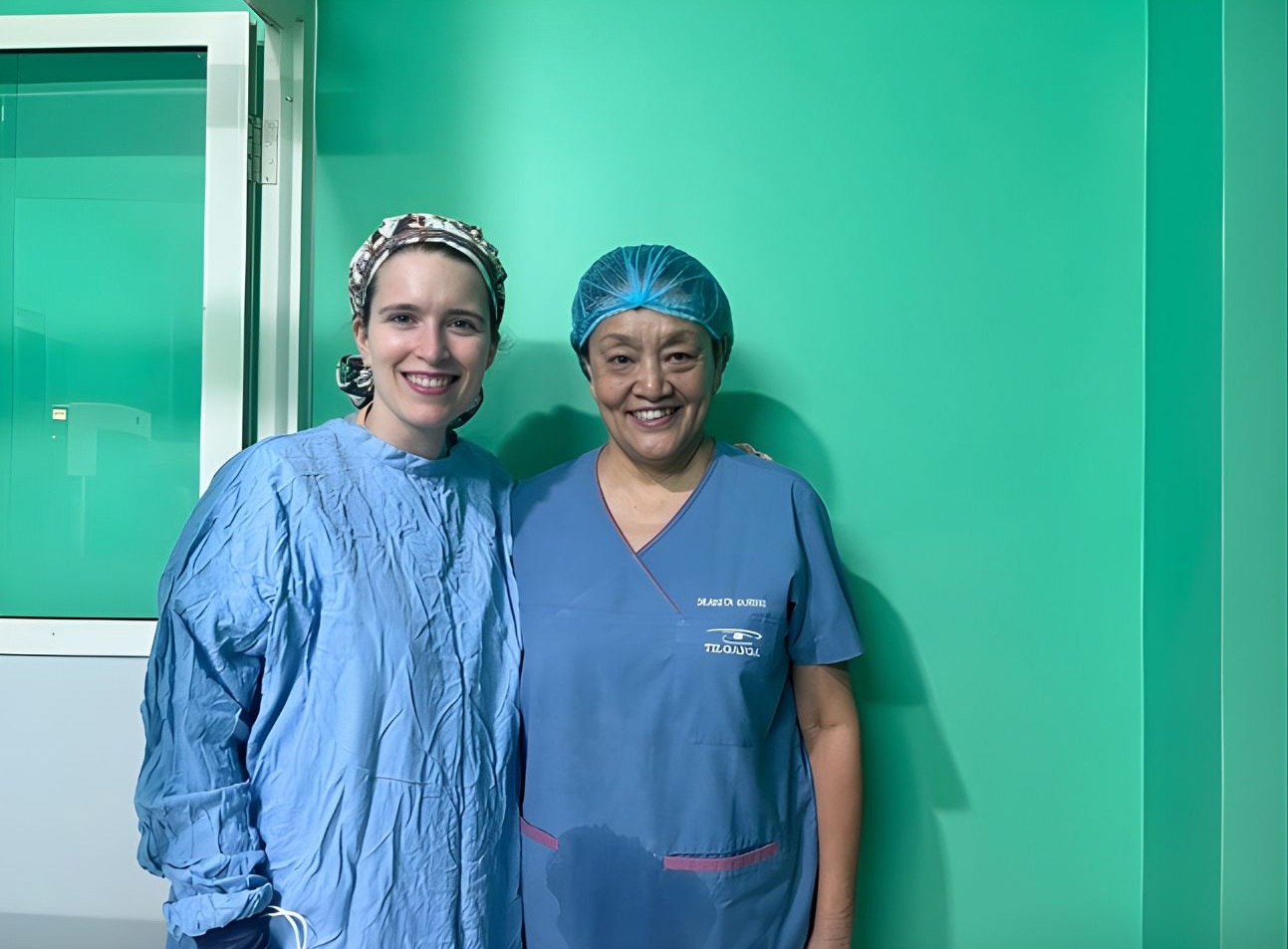
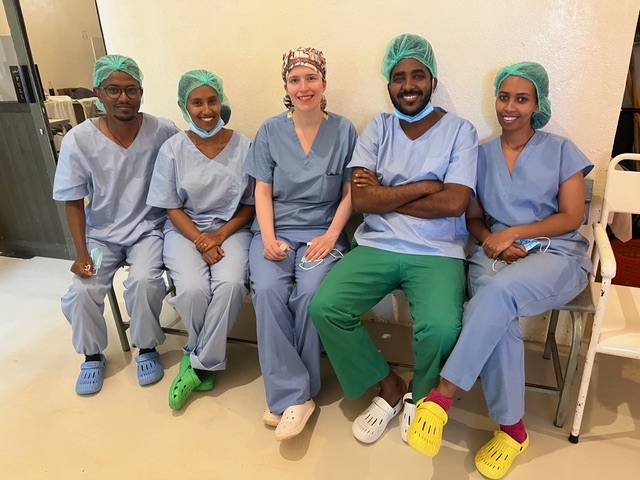
”My global ophthalmology fellowship with Stanford University and Cure Blindness Project has been filled with remarkable and moving experiences that have given me insights into not only different cultures and effective public health delivery across different settings but also into myself.”
In the words of Global Fellow Dr. Rachel Scott:
”As a woman abroad, I can’t help but notice differences in equity, understanding that they exist in different forms both in the U.S. and globally. Seeing how efforts in expanding access to ophthalmologic care make a difference not only in individual lives but also on a systemic level has been inspiring.
”While there are many examples that come to mind, one particularly poignant experience occurred with a female retina attending physician at a partner site in Nepal. We were in the retina clinic, when a woman in her later fifties came in with her husband for surgical evaluation. She was bilaterally blind, and her husband reported she could no longer do activities around the home like cooking and cleaning. They had traveled over twelve hours from India by train and foot to get here. Upon further history taking, we discovered she had become blind in her left eye a couple of years earlier but had not been assessed by any eye provider; her right eye on the other hand had gradually been losing vision until she had no longer been able to function well in the home, which prompted her assessment. On exam, the left eye had a complete retinal detachment with poor prognosis even with surgery given the chronicity. Fortunately, her vision in her right eye could be restored with a straightforward cataract surgery.
”The woman was noticeably quiet during the visit with her husband primarily speaking for her. The retina attending physician asked the husband why he didn’t bring her earlier and he explained that she was doing fine even when she wasn’t seeing out of her left eye. The retina physician was indignant, questioning, ‘Is she just there to cook for you? To bear you children? Do you have no responsibility for her care?’ and asserting, ‘If it was your eye, you would have been here within three days.’
”For me, it was a striking example of how health inequity can present in different cultures with access to care being impacted by numerous variables and even how the role of the physician as an advocate for their patient can vary. Indeed, multiple studies have found that preventable blindness due to cataract is much higher in women than men.
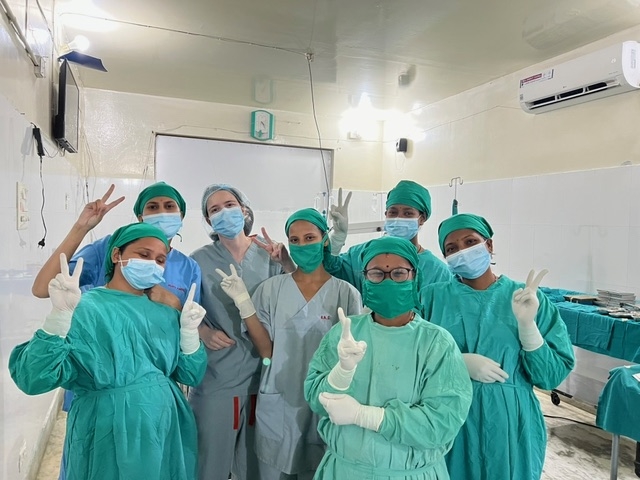
”While it was slightly jarring to see such direct and blunt communication with a patient’s family member, and in the U.S. it might be classified as ’paternalistic medicine,’ it was appropriate for the cultural context. The Nepali retina specialist, who trained in India, had a deep understanding of the dynamics at play and advocated for his patient in the best way possible in that specific situation. Gaining a cultural understanding is vitally important to effectively delivering and improving access to care, and Cure Blindness Project works with local partners to understand the needs of each community. It is through this partnership that we change lives and improve systems for everyone in our efforts to eliminate preventable blindness.”