“How Could I Not?”: Photographer Chris Hildreth Returns to South Sudan with Cure Blindness Project
When friends and family ask photographer Chris Hildreth how he can repeatedly travel to war-torn South Sudan to document the work of Cure Blindness Project, his response is simple and unwavering: “How could I not?”
“Once you see the work,” Hildreth says, “you’re excited to share it with others.”
Hildreth, owner of Rooster Media in Durham, North Carolina, has joined Duke University ophthalmologist Dr. Lloyd Williams on multiple missions for Cure Blindness Project using his photos to tell the story of the work. No two trips are alike, but each one reinforces why he keeps returning.
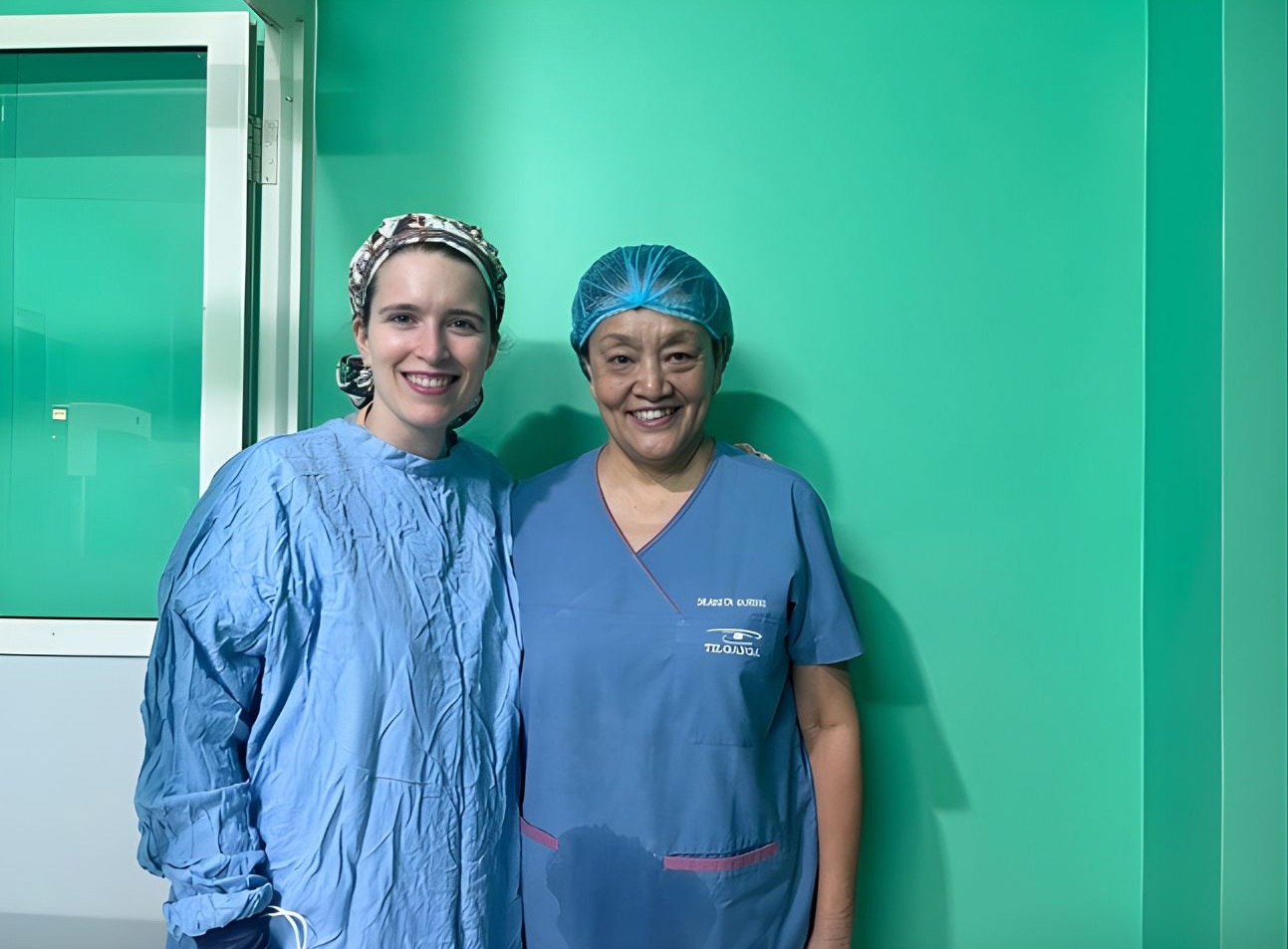
In December 2025, Williams, Hildreth, and Duke ophthalmology fellow Dr. Sheena Song arrived in Aweil, South Sudan. The dry, dusty landscape set the stage for another intense outreach in a country where avoidable blindness remains a massive challenge—with an estimated backlog of 250,000 cataract cases and new ones emerging daily due to harsh conditions, lack of protective gear, and ongoing conflicts.
A highlight of the trip was reconnecting with three siblings Hildreth first photographed years earlier. All bilaterally blind for most of their childhood—the youngest lost his sight as an infant and had never seen his mother—they arrived at a previous outreach desperate for help.
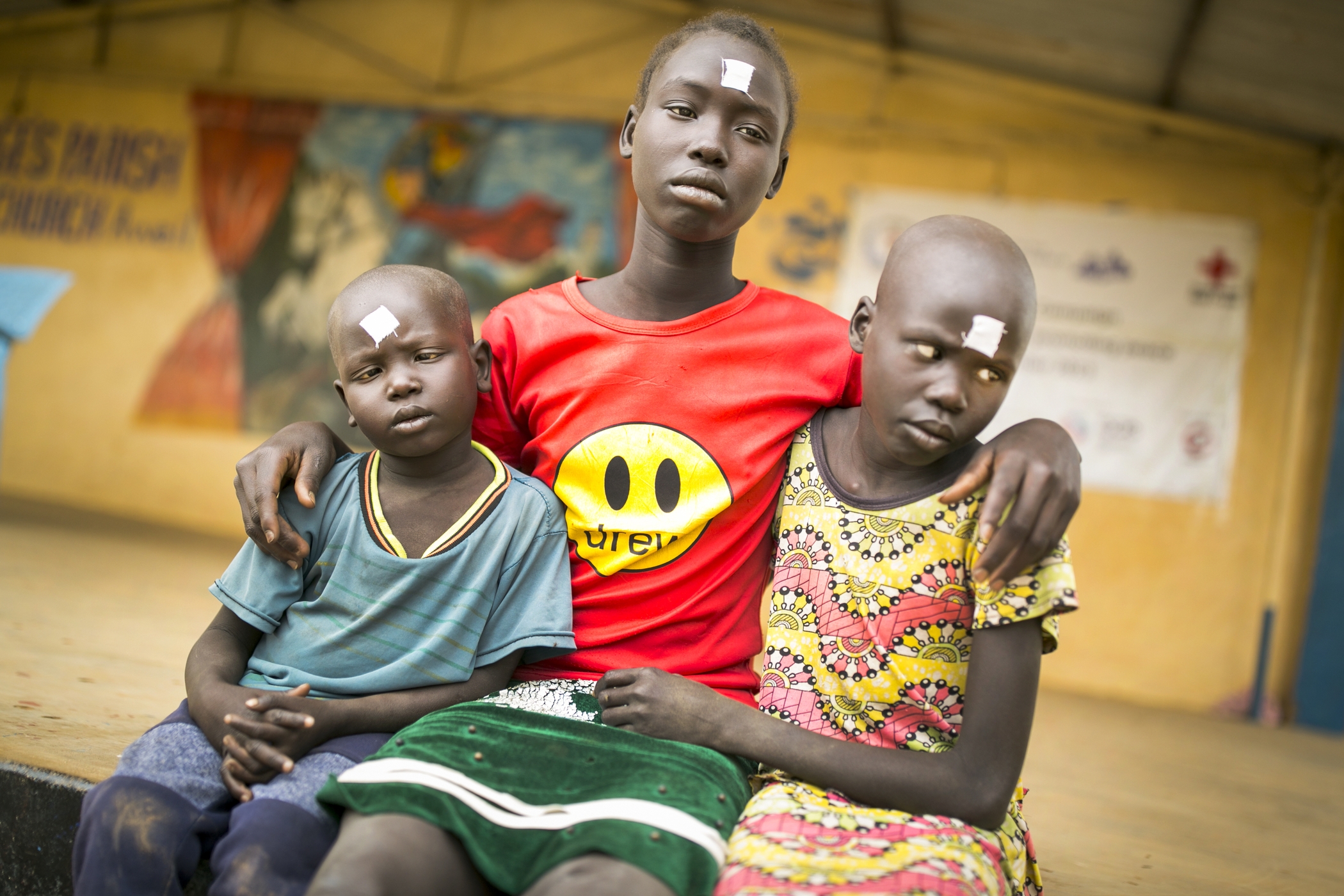
Hildreth vividly recalls the moment the bandages came off: the children stood frozen, disoriented by sudden light and color. Then, hearing their mother’s voice, the youngest boy’s face lit up with recognition. He walked straight into her open arms.
That touching reunion became part of an NBC News feature that moved viewers worldwide. (If you missed it, watch it here.)
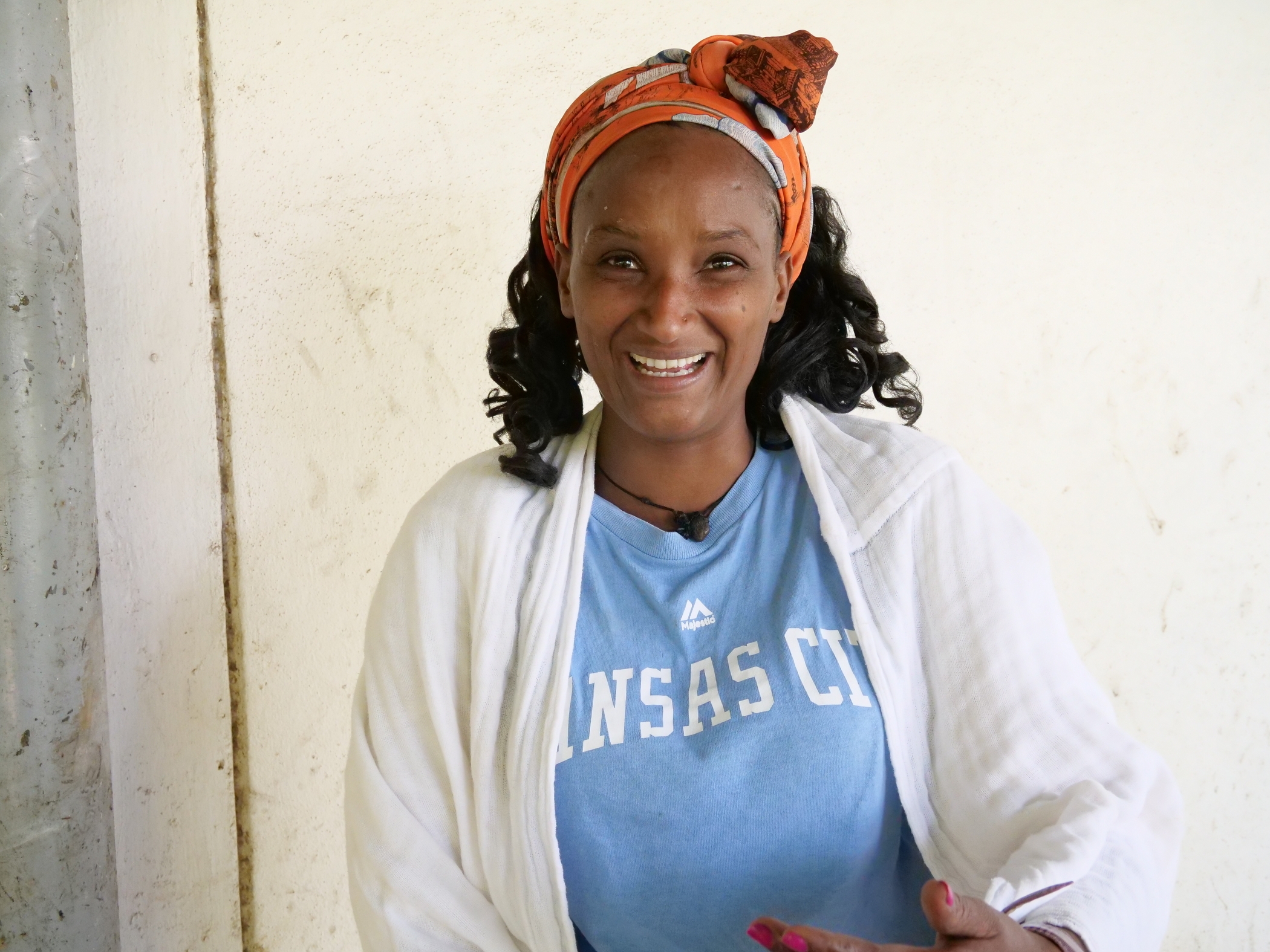
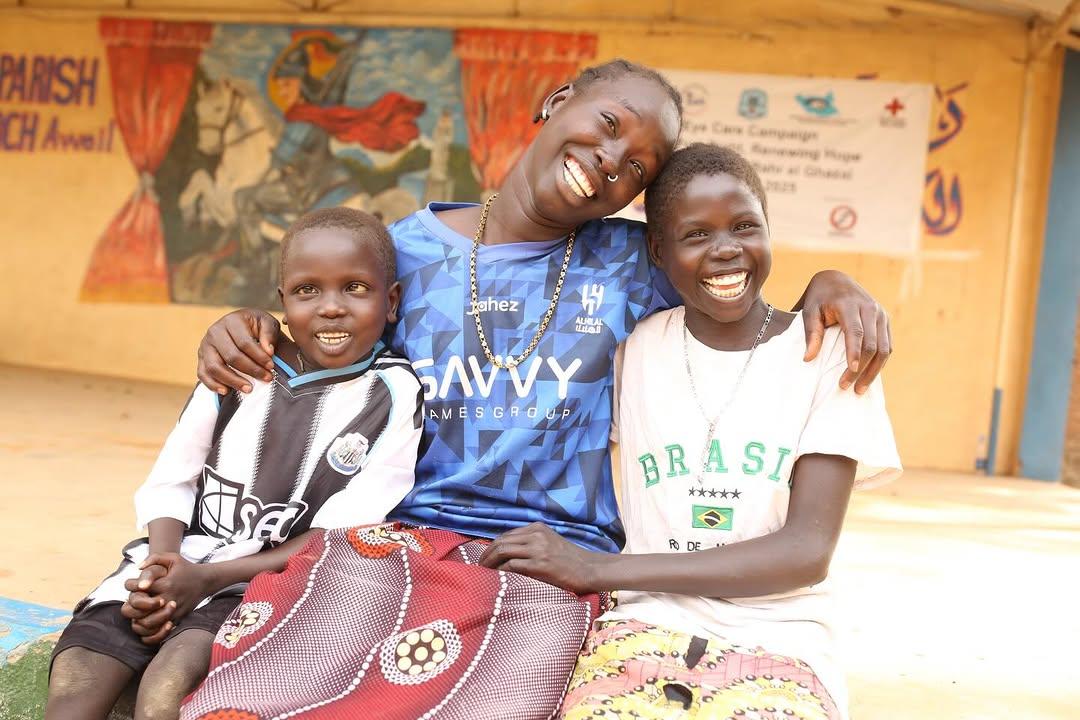
Returning two years later to the month, seeing those same siblings now thriving with restored vision was, for Hildreth, “what it’s all about.” Meeting their father and older brother added even more depth to his connection. “Restoring sight transforms entire families,” he says. “Fathers can return to work. Mothers can care for their children. Children can return to school.”
“Before I photographed the three siblings for the second time in the same place I had before, I had a moment with the three and shared the photo of them when they were blind. They laughed and giggled at themselves in their previous state and it dawned on me the sheer irony of being able to show someone a photograph of what they looked like blind…imagine that. And how they reacted to themselves,” recalls Hildreth.
As a photographer, Hildreth knows a great photo speaks volumes. These before and after photos certainly do. No words are needed to invoke the joy and transformation accomplished through a ten-minute, sight-restoring surgery.
During this trip, Hildreth made the decision to capture more video than still photos, a switch from past trips. The decision resulted in capturing sounds of pure joy, like this video of a patient so overwhelmed by regained sight that he laughed uncontrollably. “His laugh just kept getting louder as it sunk in,” Hildreth recalls. “It tickles you.”
Despite the risks—unpredictable security, constant dust irritating eyes, and regions where tribes pause fighting just for eye camps—Hildreth knows the protocols. “It’s not safe,” he admits when pressed, “but we know what to do and what not to do, for the most part. How can we not do this work?”
For Hildreth, it’s about reliving and sharing these seminal moments—the electricity of bandage removals, the remarkable before-and-after transformations, the sheer gratification of watching someone see clearly for the first time.
“I’m ready to go wherever you want to send me next,” he says.