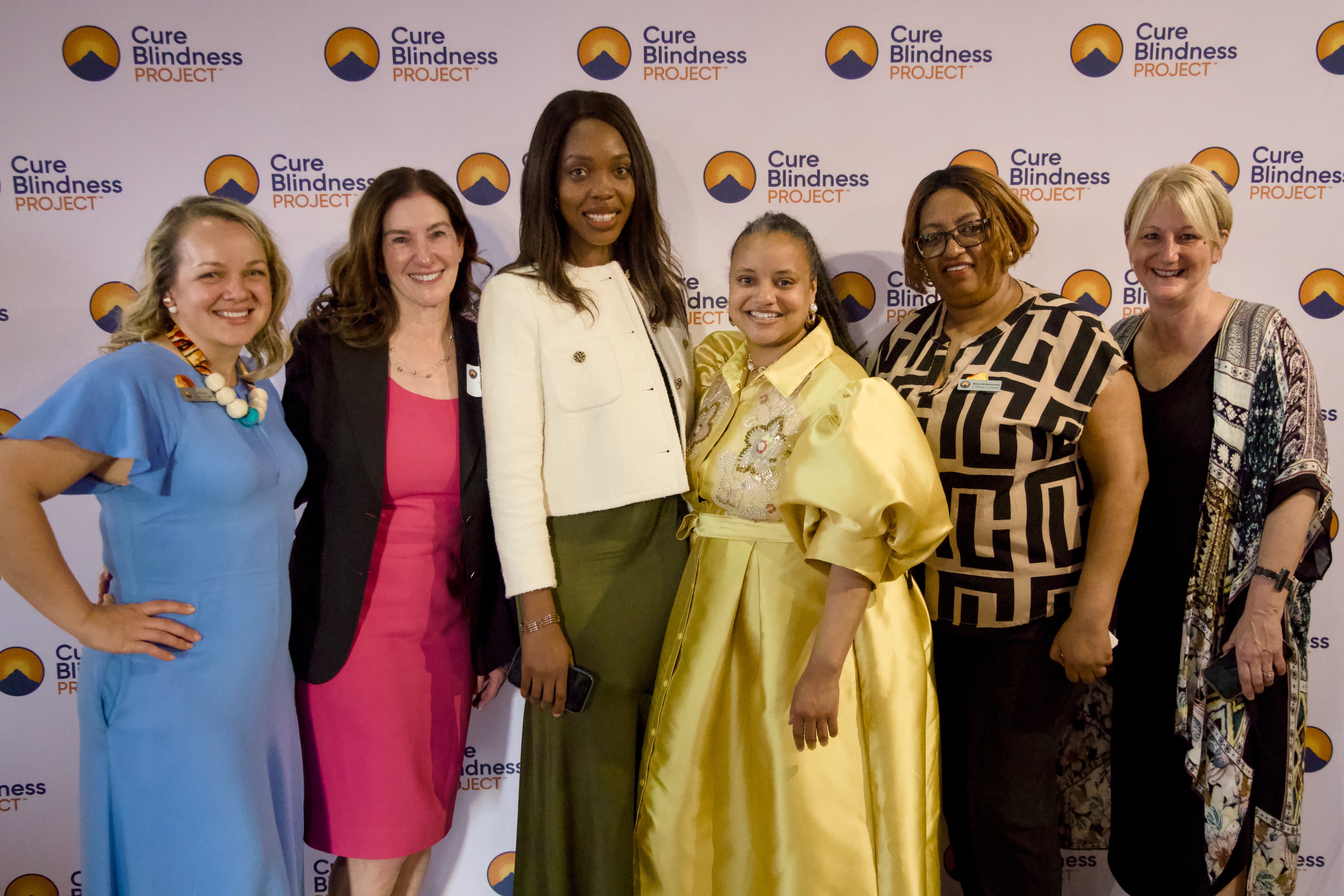
A Shared Vision: Advancing Eye Health in Africa Reception
Cure Blindness Project leadership recently brought together members of the African diaspora in the Washington, D.C. area for an evening of meaningful dialogue on the state of treatable blindness in sub-Saharan Africa—and the powerful role diaspora communities can play in accelerating progress.
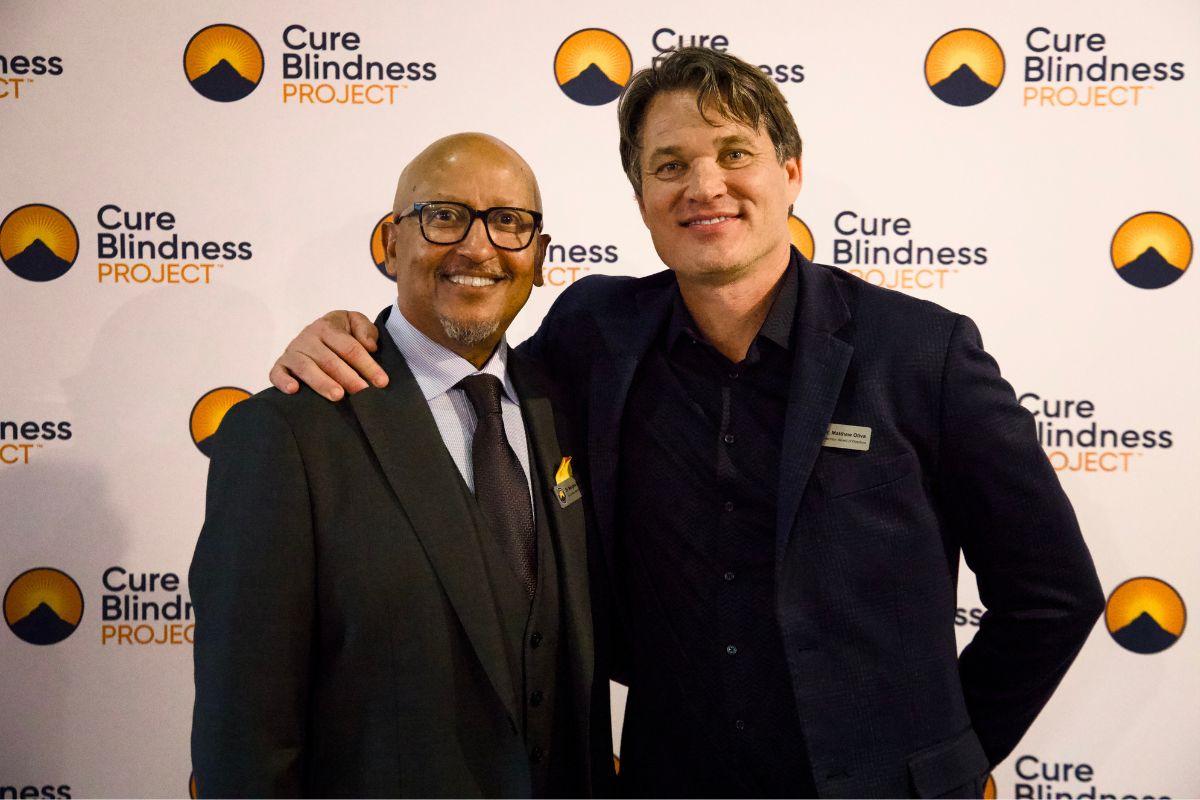
Hosted by Cure Blindness Project Vice Chairman Menghis Bairu, MD, the gathering convened local thought leaders, influencers, and dedicated supporters. Also in attendance were Cure Blindness Project volunteers and cataract surgeons visiting D.C. for the American Society of Cataract and Refractive Surgery’s annual meeting, underscoring the global expertise and commitment behind the mission.
Cure Blindness Project CEO K-T Overbey opened the evening by framing both the scale of the challenge and the opportunity ahead.
“Eye health is not just a medical issue,” she shared. “It is a development issue. Vision impairment both contributes to poverty and is a result of it.”
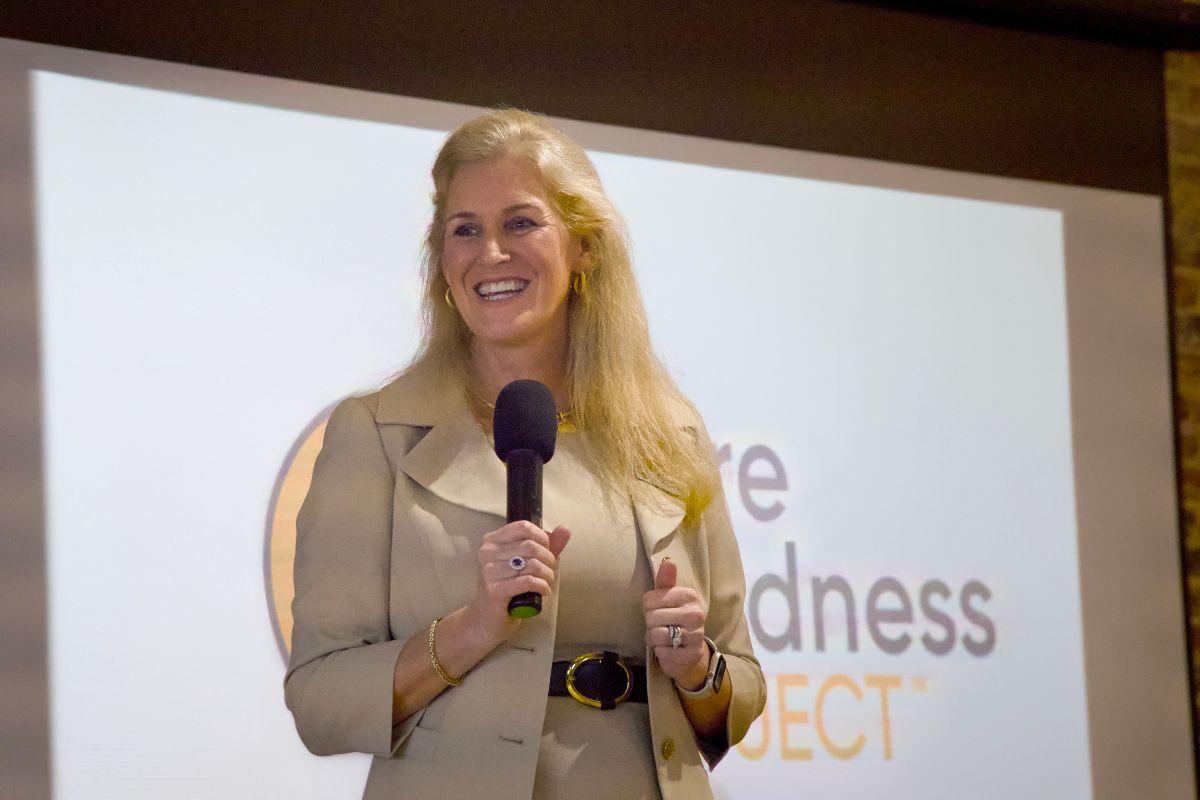
Today, more than 110 million people in sub-Saharan Africa live with visual impairment—nearly double the global average. Women are disproportionately affected, with a 15% higher likelihood of experiencing vision loss over their lifetime. Yet despite the magnitude of the problem, Overbey emphasized a critical truth: curing blindness is one of the most solvable challenges in global health.
The evening’s conversation deepened with remarks from H.E. Ambassador Dr. Tiffany Lancaster, a daughter of Ethiopia and Special Envoy to the United Nations, who spoke directly to the diaspora’s unique responsibility and connection to this issue.
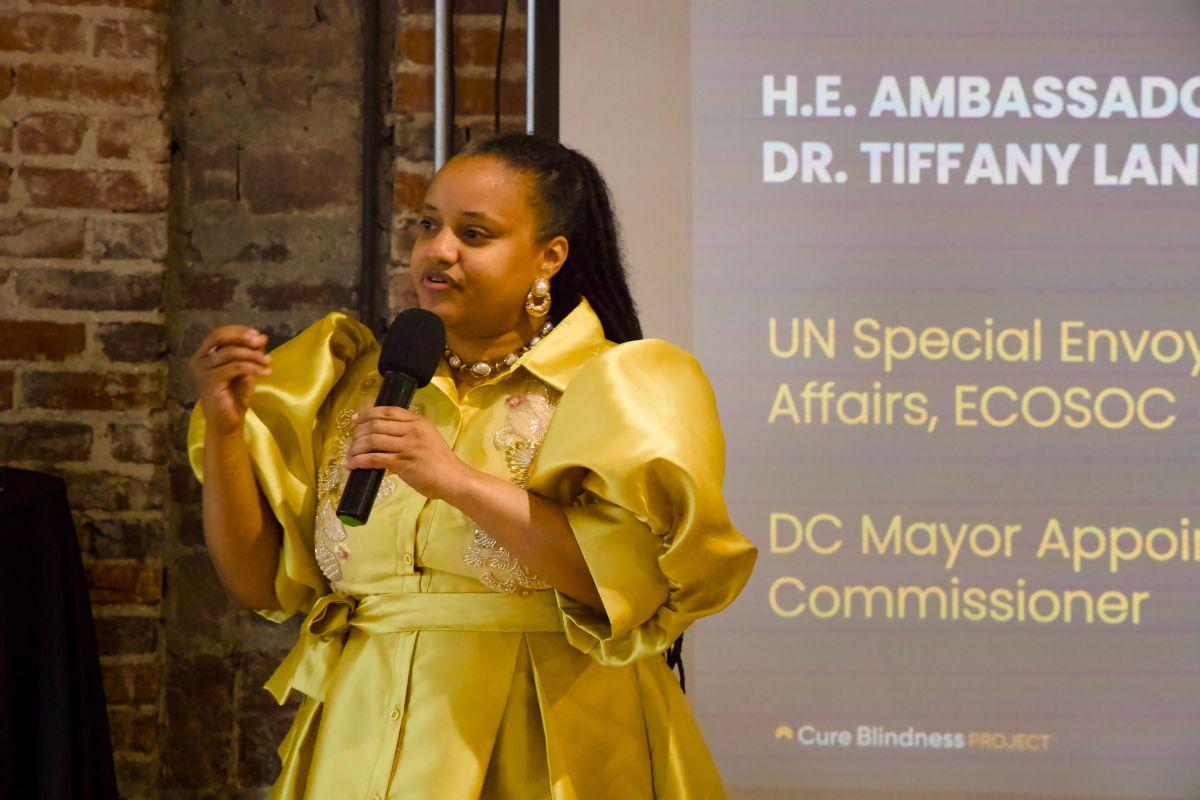
“The problems facing those on the continent are an extension of us living in D.C.,” she said. “That loss—of sight, of hope, of potential—ripples across oceans and weakens the ties that bind us together.”
She highlighted both the urgency and the promise of the region. Africa is home to the world’s youngest population and one of its fastest-growing economic regions, with countries such as Ethiopia, Rwanda, Côte d’Ivoire, and Benin leading global growth. Yet access to basic health care, including eye care, remains uneven.
“A child that cannot see cannot learn. A farmer who loses her vision cannot provide for her family,” Lancaster noted. “This is foundational to everything Africa is trying to build.”
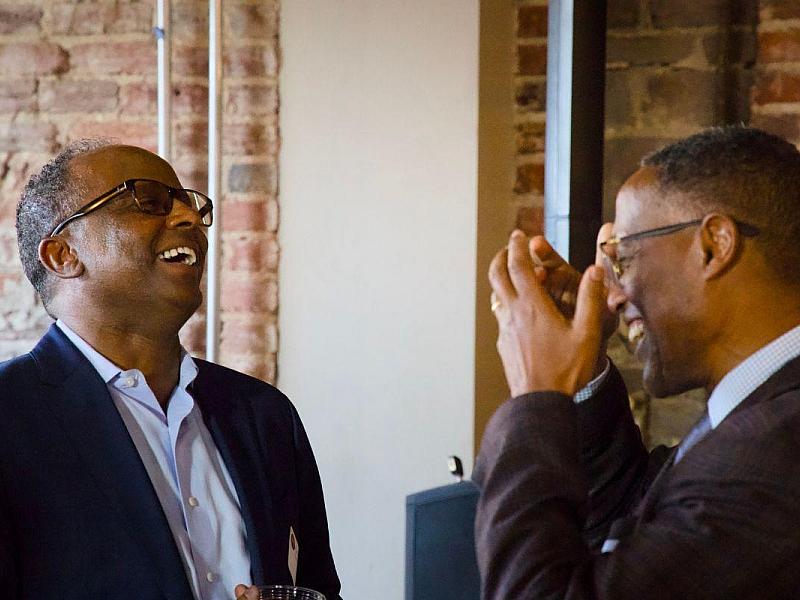
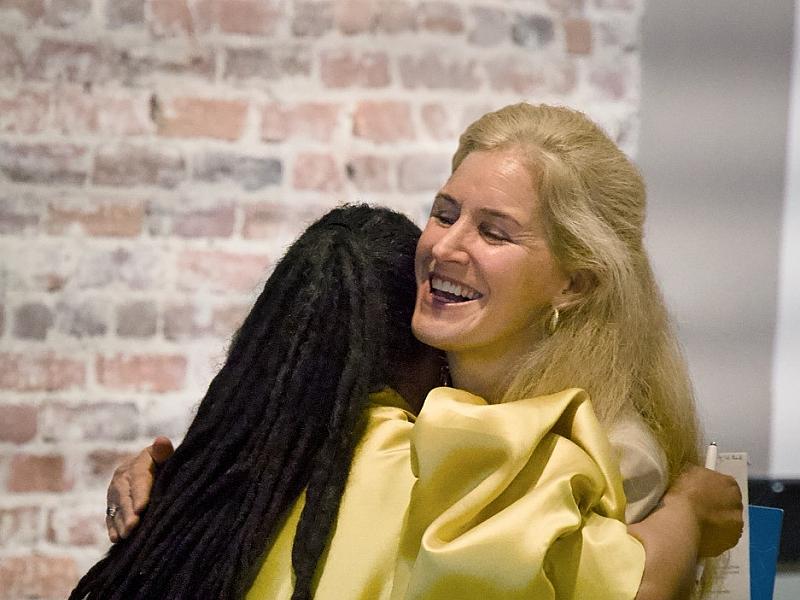
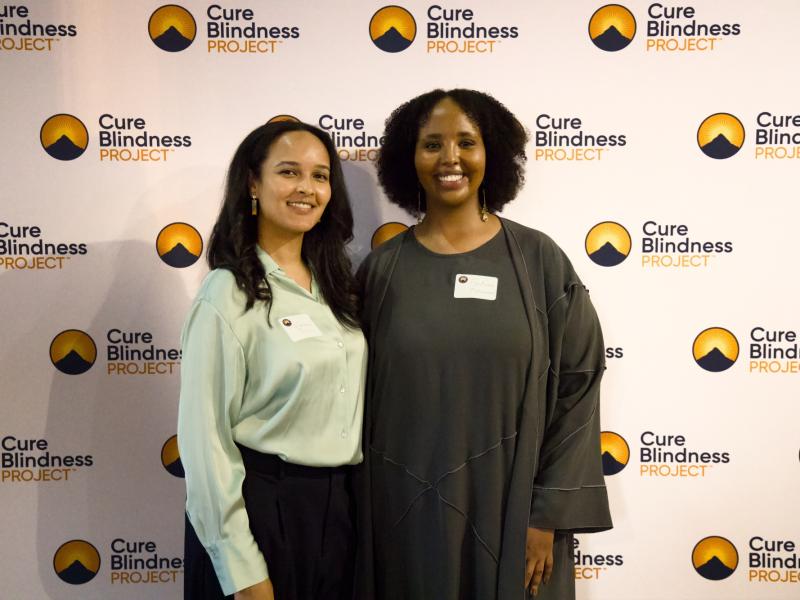
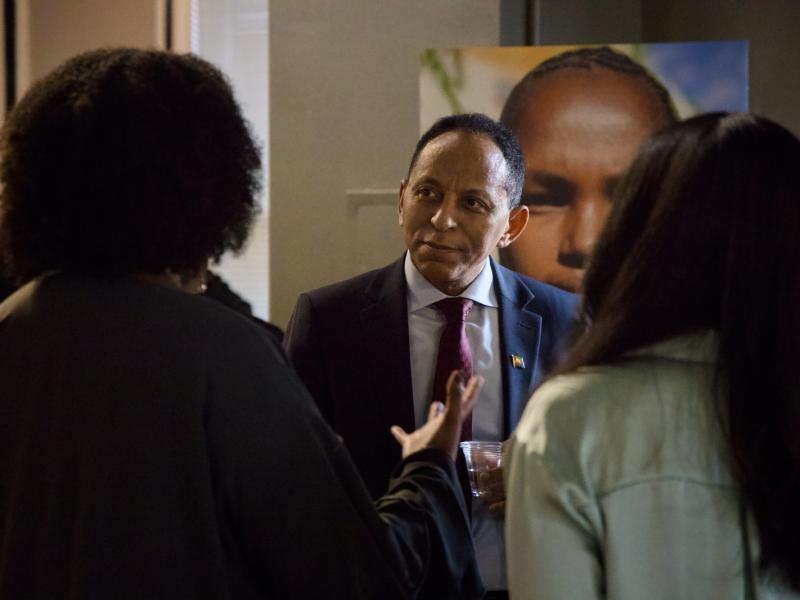
Throughout the evening, a clear theme emerged: the African diaspora is not separate from this work—they are central to it. As connectors, advocates, and leaders within their communities, diaspora members are uniquely positioned to bridge continents, elevate awareness, and mobilize action. They understand both the need and the immense potential, making them powerful champions for sustainable change.
Cure Blindness Project’s approach—focused on partnership, training local doctors, and strengthening health systems—resonated deeply.
“This is not charity,” Lancaster emphasized. “This is investment in human potential. Curing blindness is economic development.”
As the evening concluded, attendees were invited to carry the conversation forward. Cure Blindness Project asked participants to stay connected to the mission, to share what they’ve learned, and to serve as ambassadors within their networks.
Because the momentum sparked in one room in Washington, D.C. has the potential to travel far beyond it—through communities, across borders, and into the lives of millions who are still waiting for access to sight-restoring care.