A Second Chance to See: Tap's Story of Survival and Sight
June is Cataract Awareness Month—a time to shine a light on one of the leading causes of blindness worldwide and the very condition that inspired Cure Blindness Project’s founding in 1995. What began as a focused effort to treat cataract blindness has grown into a comprehensive approach addressing a wide range of eye conditions. Yet cataracts remain at the heart of our work, still accounting for the majority of blindness we treat due to their widespread prevalence—and their remarkable curability.
Nineteen-year-old Tap from Mayom County in northern South Sudan knows this impact firsthand.
Last month, Tap was among four boys who survived a devastating explosion. While escorting their sister to a taxi station, the group unknowingly encountered an unexploded device. In a moment of curiosity, they attempted to tamper with it—triggering a sudden and violent blast.
Tap suffered severe injuries. He lost three fingers and sustained significant wounds to his hands. Most devastating of all, he lost his vision completely in both eyes due to traumatic cataracts caused by the explosion.
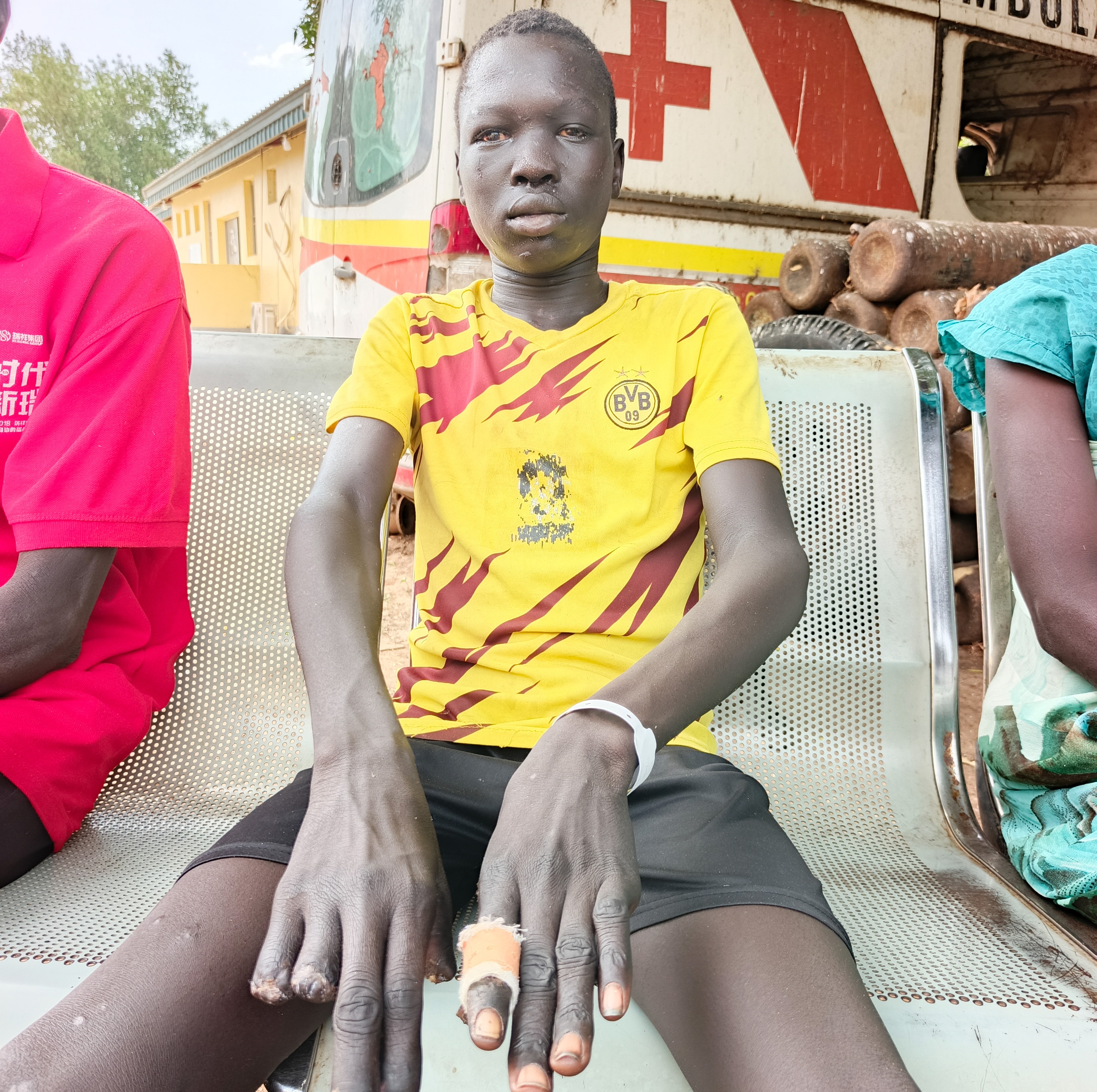
Rushed to Bentiu State Hospital, Tap remained there for a month—injured, disoriented, and unable to see. For his family, the fear was overwhelming. The uncertainty of whether their son would survive, let alone ever regain his sight, weighed heavily on them each day.
Then, hope arrived.
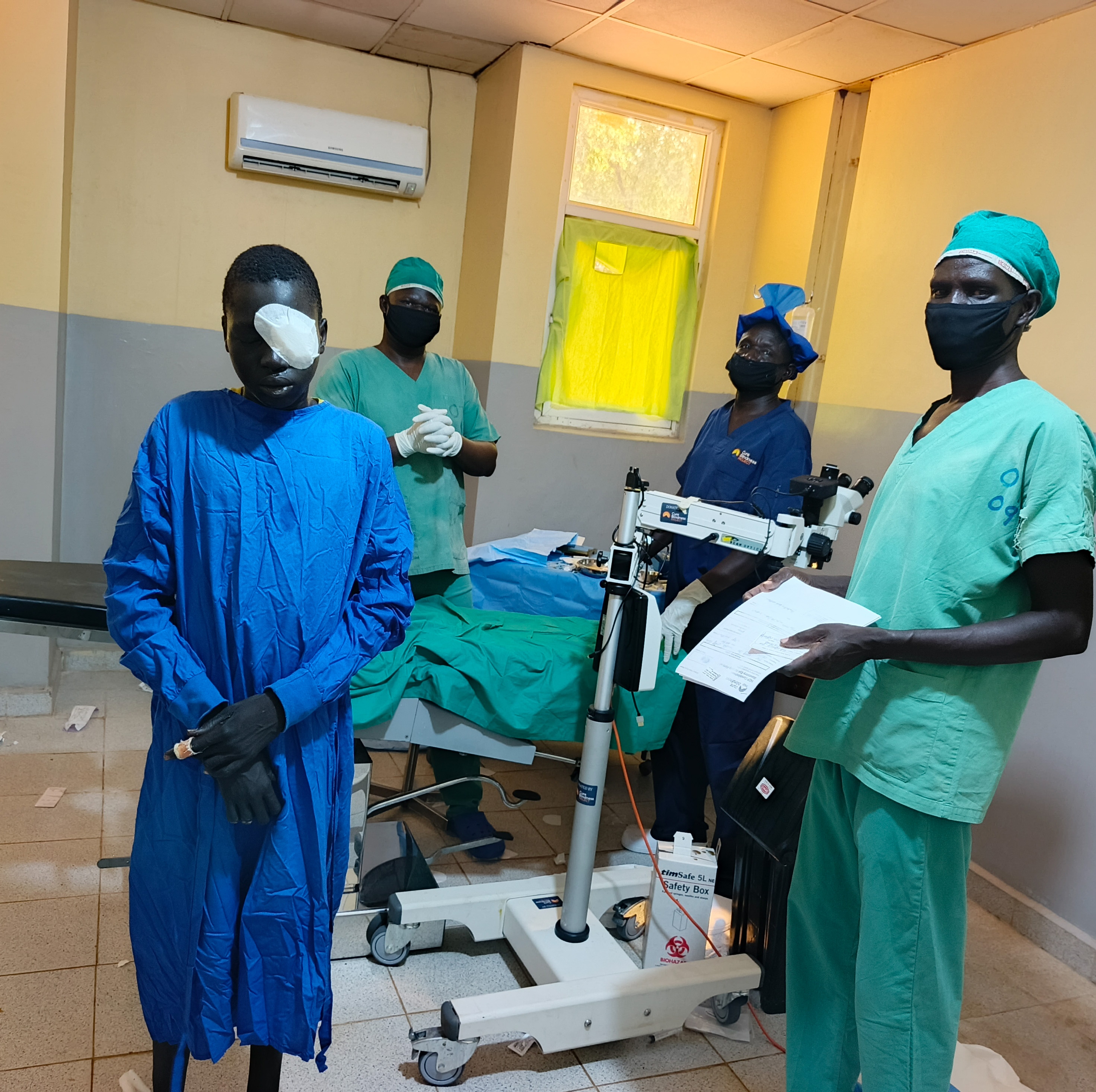
A specialized eye care team, supported by Cure Blindness Project, came to the hospital to provide sight-restoring treatment. A healthcare provider recognized Tap’s condition and urged his parents to stay nearby, knowing their son might be a candidate for surgery.
In April, Tap underwent a delicate, life-changing procedure.
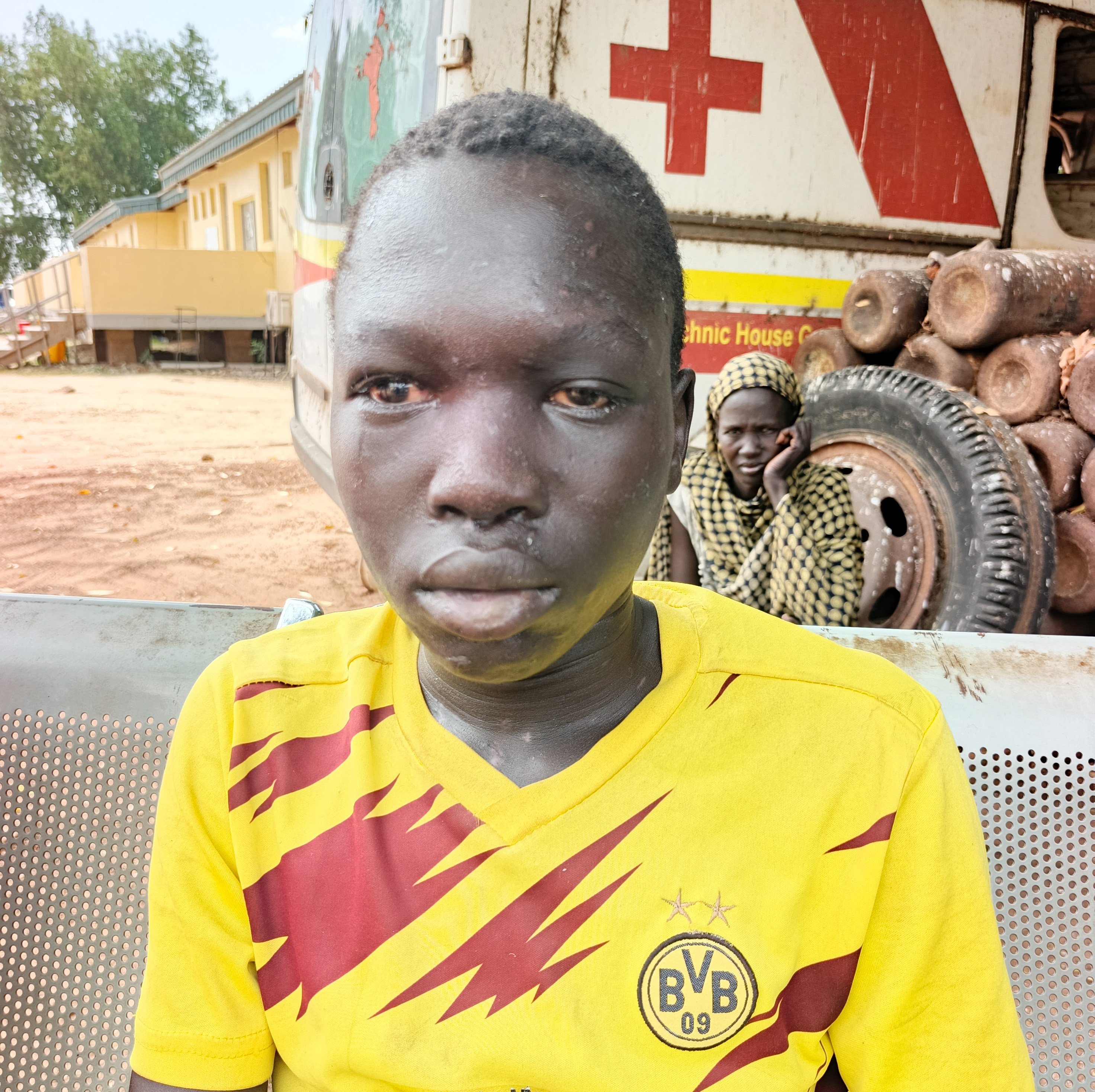
The result: his sight was restored.
After weeks in darkness, Tap could see again—his world brought back into focus, his independence returned, and his future reopened. As a young man, he worried his future would be limited without sight.
His parents recalled the moment of the explosion with deep emotion:
“I thought our son was dead. When we tried to move him, he did not respond, and it seemed like he had passed away. But today, his life has come back. He can see and move on his own again. We are very happy. Thank you, doctors and Cure Blindness Project.”
Tap’s story is a powerful reminder of what timely, quality eye care can achieve. Cataracts—whether age-related or caused by trauma—can be treated with a relatively simple surgery. Yet for millions of people living in low-resource settings, that care remains out of reach.
During Cataract Awareness Month, we are reminded that blindness from cataracts is not inevitable. It is treatable. And with the right support, it is preventable.
At Cure Blindness Project, we are committed to building sustainable eye care systems that reach even the most remote communities—so that more people like Tap have the chance not just to survive, but to truly see again.