Research Shows High Quality Results at Outreaches & Hospital
Since our founding in 1995, Cure Blindness Project has been committed to bringing high-quality eye care at a low cost to those without access. Outreaches in remote areas increase access to those who would have previously gone without care.
Researching Quality Across Care Settings
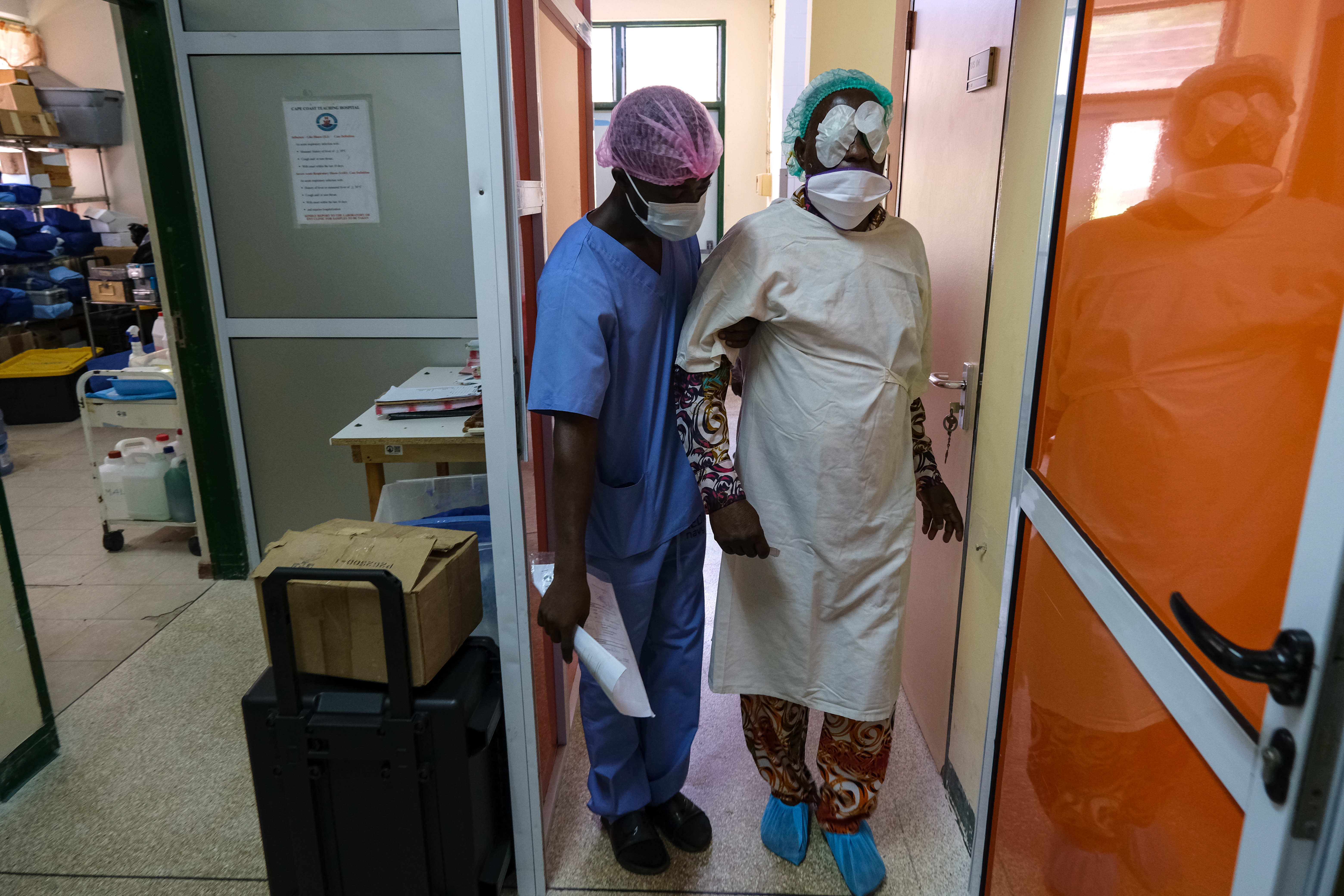
With high-quality results as a top priority regardless of surgical location, a prospective research study in partnership with Cure Blindness Project and funded by Lions International Club compared the surgical results of cataract surgeries provided in a hospital-based setting vs. an outreach setting. The research is being presented at IAPB’s 2030 In Sight 3-day conference to be held this month in Nairobi, an annual event that unites leaders to drive action, integrate eye care into health systems, and foster innovation.
Titled Generating Evidence of Quality from Community-Based vs Hospital-Based Eye Surgery in Ethiopia and Ghana, this multi-center study examines whether high-quality outcomes can be achieved outside traditional hospital settings—an important question as health systems work to address growing surgical backlogs.
Why Community-Based Cataract Surgery Matters
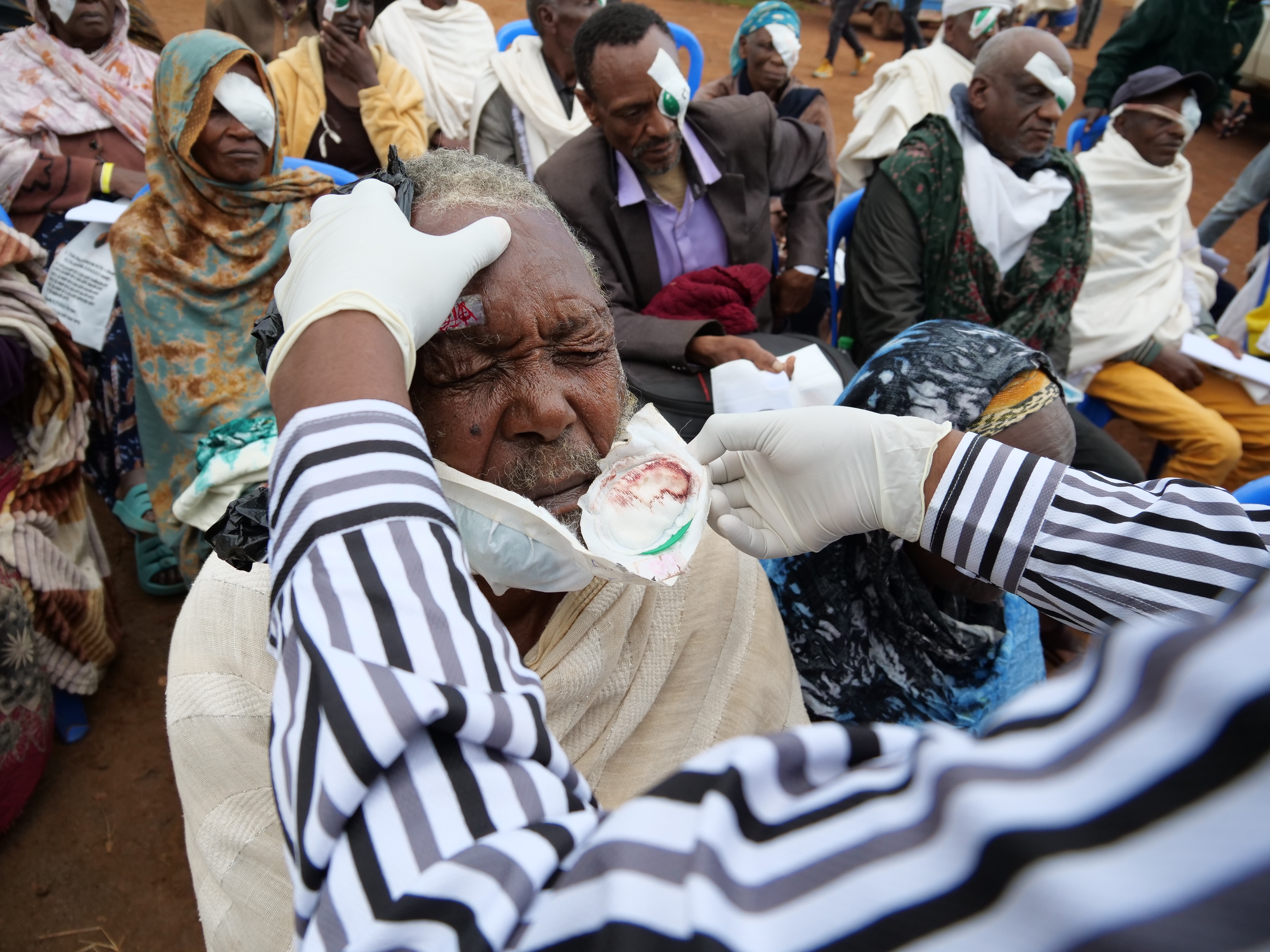
Across many countries, access to cataract surgery is limited by distance, cost, and constrained hospital capacity. Community-based surgical models—often delivered through outreach campaigns—have emerged to bring care closer to patients. While these approaches improve access, questions have remained about whether they can consistently match the safety and quality of hospital-based care. The SECURE II Trial was designed to answer that question with rigorous, real-world data.
Comparing Outcomes: Hospital and Outreach Settings
Results confirm that Small Incision Cataract Surgery (SICS), a widely used, cost-effective technique well suited for high-volume settings delivers comparable results in both settings.
The study followed all patients at key post-operative intervals: day 1, week 1, 4–6 weeks, and at least three months after surgery. To ensure consistency, standardized equipment and surgical protocols were used across all sites in Ethiopia and Ghana.
In total, 1,371 cataract surgeries were analyzed, with patients averaging 66 years of age and nearly 60% female. Of these, 712 surgeries were performed in hospital settings and 659 through community-based campaigns. The scale of the outreach model was notable—each campaign delivered more than 150 surgeries per day, with individual surgeons completing between 20 and 100 procedures daily.
Evidence to Guide Future Eye Care Delivery
The findings provide important insights for policymakers and practitioners. By directly comparing outcomes across delivery platforms, the SECURE II Trial demonstrates that with the right systems, training, and quality controls in place, community-based surgical models can safely and effectively expand access to cataract care. This has significant implications for countries seeking to reduce blindness while overcoming infrastructure and workforce limitations.
For Cure Blindness Project and its partners, the study reinforces a critical message: access and quality do not have to be mutually exclusive. As the global community works to eliminate avoidable blindness, evidence like this helps guide smarter, more inclusive strategies—bringing sight-saving care to people wherever they are, not just where hospitals exist.