Cure Blindness Project and The Fred Hollows Foundation announce Strategic Partnership Learn more Cure Blindness Project and The Fred Hollows Foundation announce Strategic Partnership Learn more
New Partnership with The Fred Hollows Foundation

A Landmark Partnership to Accelerate Our Shared Mission

Cure Blindness Project and The Fred Hollows Foundation Announce Strategic Partnership to Accelerate the Elimination of Avoidable Blindness Worldwide

Cure Blindness Project and The Fred Hollows Foundation


Together, we aim to end avoidable blindness in Rwanda and Laos by 2035 and significantly address the cataract backlog in at least three other countries. 

This partnership is a once-in-a-generation opportunity to transform millions of lives through restoring sight.  It is not a merger: both organizations will remain fully independent, with their own identities, leadership, and operations.

By combining our complementary strengths and shared ambition, we aim to deliver transformative, scalable impact in the fight to eliminate avoidable blindness and build sustainable eye health systems. 

Podcast: K-T Overbey and Ross Piper on New Partnership

Hear from Ross Piper, CEO of The Fred Hollows Foundation, and K-T Overbey, CEO of Cure Blindness Project, on the momentum of this strategic partnership.

The Need is Urgent

Despite decades of progress, vision impairment and avoidable blindness continue to rise globally. More than 43 million people are blind and often unable to do the tasks of daily living. Another 1 billion people are not thriving because they cannot see clearly. A staggering 90% of people with sight loss live in low- and middle-income countries (LMICs) where access to eye health is often out of reach.

43 million

people are blind across the world

1 billion

people globally are visually impaired

90%

of people with sight loss live in low- and middle-income countries (LMICs)

Why Laos and Rwanda?

Cataract remains the leading cause of blindness in Rwanda and Laos, yet it is entirely preventable. Under the partnership, The Fred Hollows Foundation and Cure Blindness Project will support more than 177,000 surgeries over the next five years. 

🇷🇼 In Rwanda, an estimated 100,000 people require cataract surgery, and without urgent action, vision loss is projected to affect 1.7 million Rwandans by 2050.  

🇱🇦 In Laos, an estimated 66,000 people need cataract surgery to restore their sight. Without urgent action, the number of people living with vision loss could climb to 1.2 million in Laos by 2050. 

This partnership is a direct response to this challenge: two leading organizations with a combined 60+ years of experience joining forces around bold, shared goals to accelerate progress toward universal eye health access and unlock the potential of millions of people. 

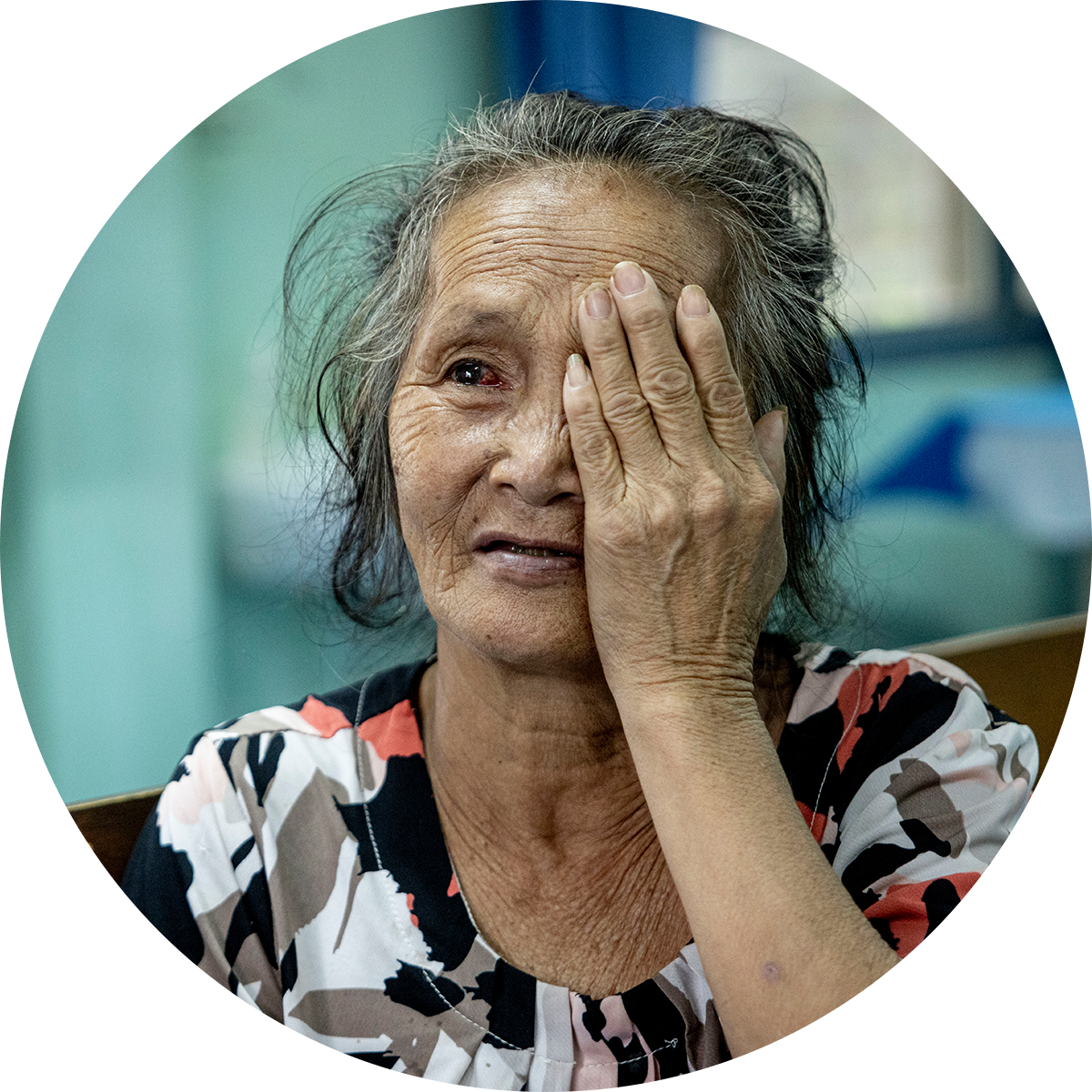
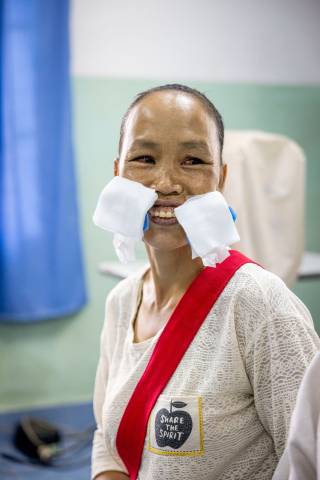
Woman in Laos during eye screening. Photo courtesy of The Fred Hollows Foundation.

According to the Value of Vision report, targeted investment in simple eye health priorities—from improving cataract surgery to providing on-the-spot reading glasses—would yield a $1:$28 return on investment in Low- and Middle-Income Countries: one of the best returns in global health. 

Working with the governments of Rwanda and Laos, The Fred Hollows Foundation has developed new 10-year investment plans which outline a clear pathway to eliminate the cataract backlog and build a resilient, people-centered eye health system that can sustainably meet future needs. 

To achieve this, a US$41.1 million in investment is needed in Rwanda by 2035.  

This funding would support more than 125,000 cataract surgeries, establish and strengthen 14 specialized eye units across the country, train 25 new ophthalmologists and 45,000 community health workers, and embed eye care into Rwanda’s national health systems. 

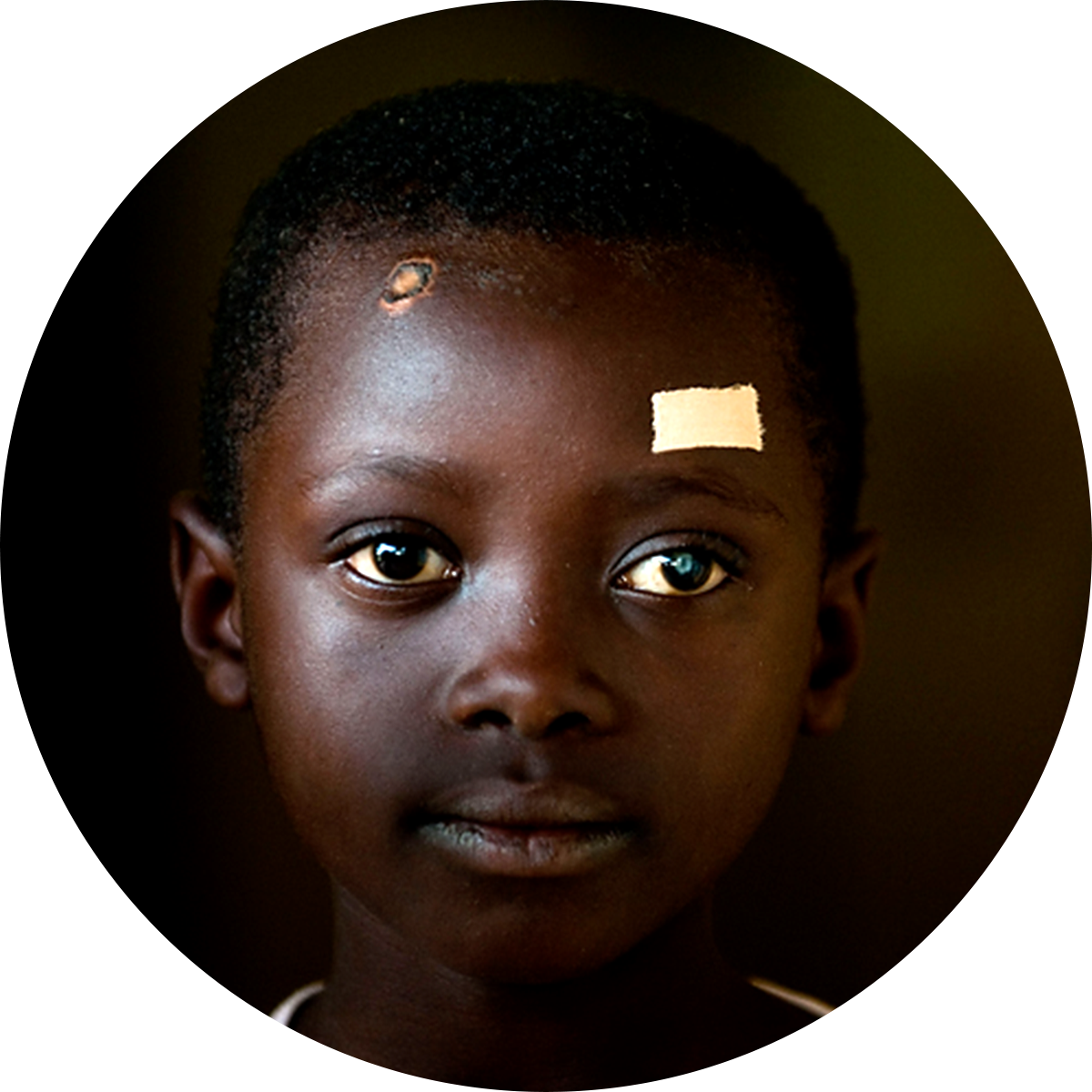
Child in Rwanda with a cataract. Photo courtesy of Ace Kvale for Cure Blindness Project. 

In Laos a total investment of US$12.73 million is needed over the next five years. This funding will support 66,000 cataract surgeries, train 126 new eye health personnel — including 20 cataract surgeons — and equip 37 hospitals across all 17 provinces.  

111,000

people are blind with cataracts in Rwanda

66,000

people are blind with cataracts in Laos

177,000+

cataract surgeries planned by Cure Blindness Project and The Fred Hollows Foundation in the next 5 years

The Goal of This Partnership

With strong backing from the Ministries of Health and partners including the Tilganga Institute of Ophthalmology from Nepal and local leaders in each country, this initiative will build a resilient, government-led eye health system that protects sight for generations to come. 

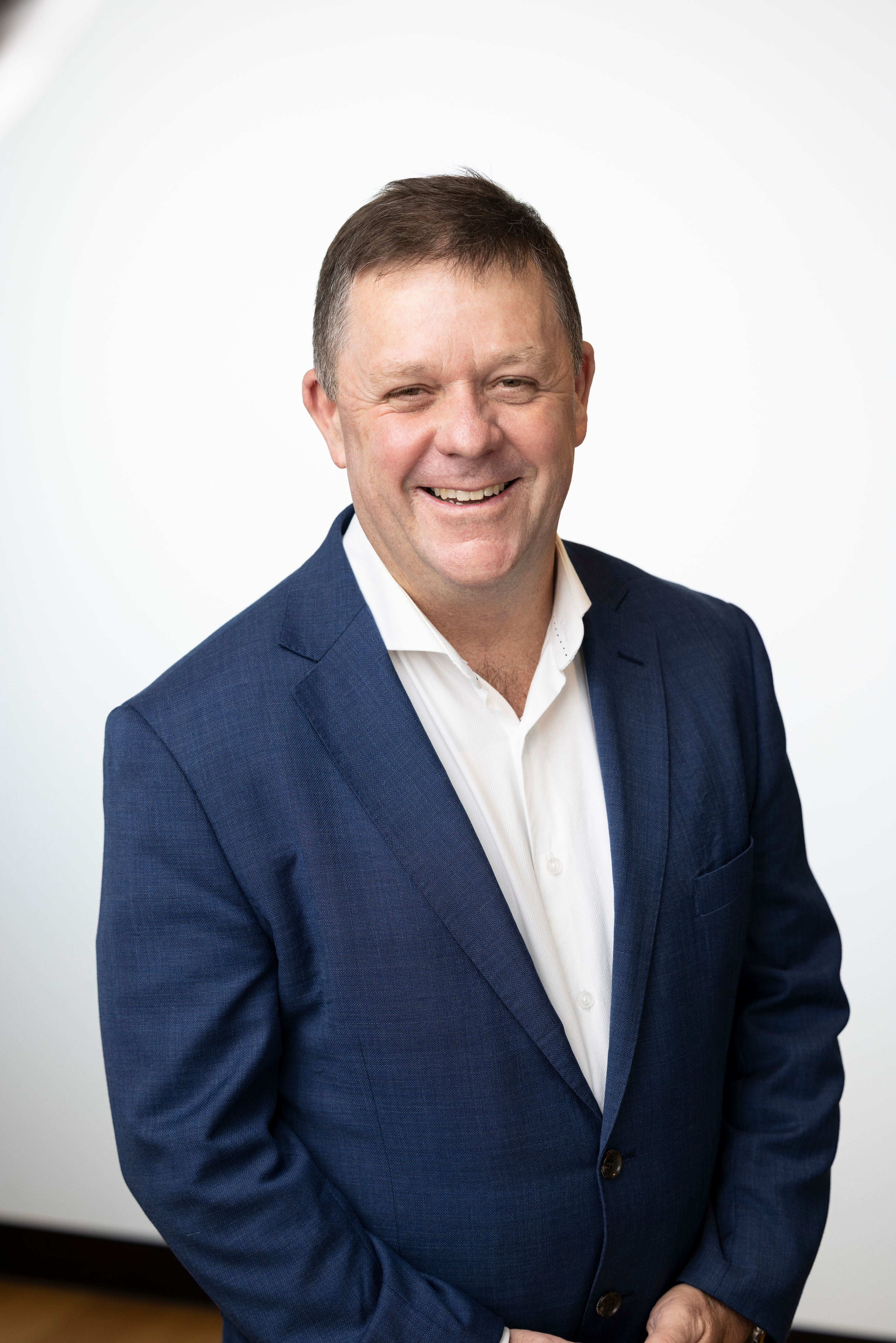
K-T Overbey Portrait
This is a pivotal moment for global eye health. The magnitude of avoidable blindness and addressing systemic barriers to eye health demand collaboration across organizations, sectors, and geographies. Together with our colleagues at The Fred Hollows Foundation, we will reduce surgical backlogs, train more local eye care professionals, and strengthen health systems so that quality eye care becomes a reality for everyone, everywhere. K-T Overbey, CEO, Cure Blindness Project
Ross Piper
Fred Hollows always believed that sight is a basic human right. This partnership embodies that belief. By combining our expertise in health systems strengthening, workforce development, and policy influence with Cure Blindness Project’s expertise in delivering high-volume surgical care and ophthalmic training programs in underserved areas, we can drive bolder, faster progress toward universal eye health coverage. Ross Piper, CEO, The Fred Hollows Foundation

This partnership will actively engage governments, funders, communities, local clinical leaders, and selected NGO partners to ensure eye health solutions are locally-owned and sustainable long after external support ends. 

Alongside implementing partners and government allies, the partnership will clear cataract backlogs, trial innovative models of care, build more sustainable local systems, and unlock breakthrough funding. 

Learn more about our work, donate to support this momentum, or follow us for updates. 

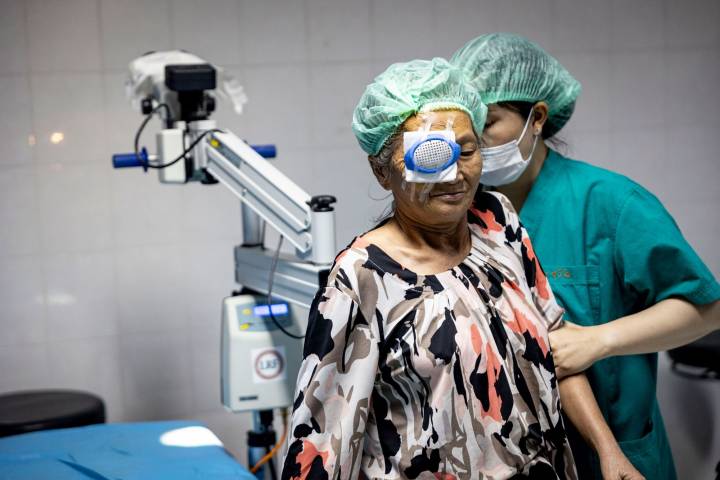
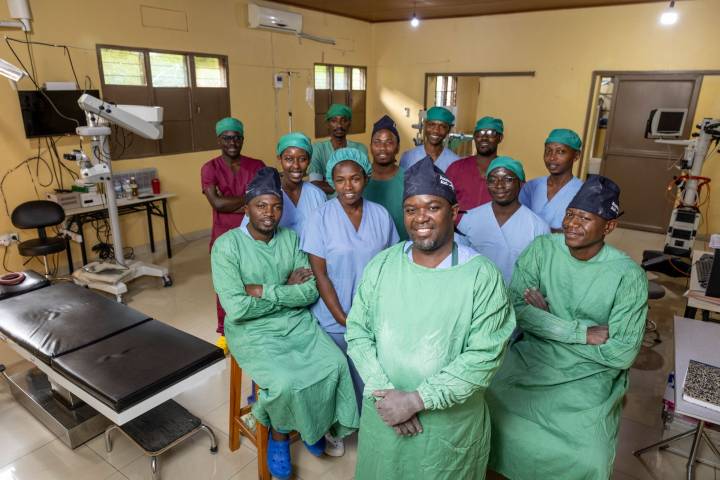
Photo courtesy of The Fred Hollows Foundation.

Photo courtesy of The Fred Hollows Foundation.

Photo courtesy of The Fred Hollows Foundation.

Photo courtesy of The Fred Hollows Foundation.

Photo courtesy of The Fred Hollows Foundation.

Photo courtesy of The Fred Hollows Foundation.

Photo courtesy of The Fred Hollows Foundation.

FAQs

  • What does this partnership mean?

    This strategic partnership brings together two of the world’s most respected organizations in global eye health—Cure Blindness Project and The Fred Hollows Foundation—to dramatically accelerate progress against avoidable blindness. It is not a merger: both organizations will remain fully independent, with their own identities, leadership, and operations.

    By aligning where it makes the most impact, the partnership leverages more than 60 years of combined expertise to deliver large-scale, sustainable eye health solutions. Together, we will build stronger local health systems, reduce preventable blindness, and unlock the potential of millions of people around the world.

  • What will Cure Blindness Project & The Fred Hollows Foundation accomplish together?

    Together, we aim to end avoidable blindness in Rwanda and Laos by 2035 and significantly reduce cataract backlogs in several additional countries. Over the next five years, the partnership will support more than 177,000 cataract surgeries, strengthen and equip eye health facilities, train new ophthalmologists and eye care personnel, and embed sustainable systems into national health structures.

    Working alongside governments and local leaders, we will clear cataract backlogs, trial innovative models of care, build resilient, people-centered eye health systems, and ensure that these solutions are locally owned and sustainable for generations to come.

  • Why does it matter?

    Despite decades of progress, avoidable blindness is still rising globally. More than 43 million people are blind and unable to perform basic daily tasks. Another 1 billion people are not thriving because they cannot see clearly. A staggering 90% of people with sight loss live in low- and middle-income countries where eye care is often completely out of reach. 

    Cataract is the leading cause of blindness in many of the countries where we work – and it can be treated with a 10-minute surgery costing as little as $70. The problem is not medical. It's systemic. That's why this partnership matters: it combines Cure Blindness Project's expertise in high-volume surgical delivery and ophthalmic training with The Fred Hollows Foundation's leadership in health systems strengthening, workforce development, and policy advocacy. Together, we can move faster and reach further than either organization could alone. 

  • Why focus on Rwanda and Laos?

    Rwanda and Laos face some of the highest burdens of avoidable blindness in the world, with tens of thousands needing cataract surgery and millions more at risk of vision loss by 2050. Both countries have strong government commitment to expanding eye health, making this a pivotal moment to create long-term, system-wide change.

    The combination of government commitment, existing infrastructure, clear investment roadmaps, and the aligned expertise of both organizations – alongside allied institutions like the Tilganga Institute of Ophthalmology from Nepal and other local partners – gives us confidence that Rwanda and Laos are primed to achieve the goal of eliminating avoidable blindness by 2035. 

  • How will this partnership improve local eye health systems?

    The partnership includes investment plans designed with each country’s Ministry of Health to build strong, self-sustaining systems. This includes upgrading and equipping hospitals, training eye care professionals (from surgeons to community health workers), strengthening referral networks, and embedding eye care into national health strategies.

  • How can supporters get involved?

    Supporters can help accelerate this work by donating, following project updates, sharing awareness, or engaging with upcoming opportunities such as events, briefings, or stories from the field. Every action helps advance the mission of ending avoidable blindness.

  • Join us in curing avoidable blindness around the world